Plug-and-Play Mains LED Strip: Where It Is and Is Not Code-Compliant
- 2026-10-28 10:04
- /
- Arraystar LED
I have wired hundreds of plug-in 230V strips into kitchens, bedrooms and shop fronts. The strip itself is rarely the problem. The problem is the installer treating a plug-in fitting like a permanent one, and that is where inspectors write me up.
What a plug-and-play mains strip actually is
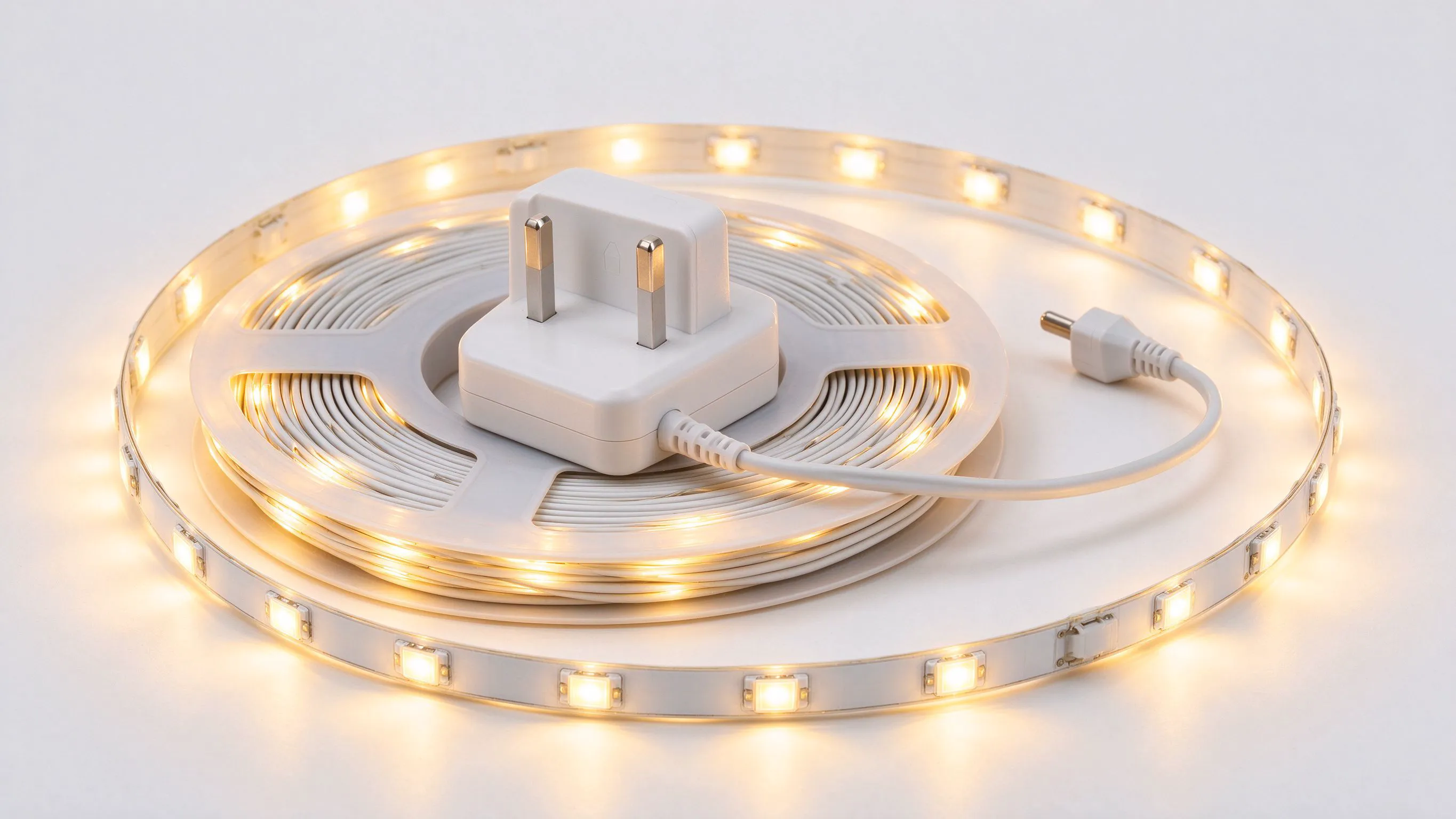
A 230V plug-in strip is a rigid or flexible PCB with SMD or COB LEDs, a small constant-voltage circuit board inline, and a two-core cable ending in a moulded BS or Schuko plug. It runs straight off the wall socket with no separate driver because the control board is built into the strip itself. That is convenient, and it is also why it gets confused with a SELV product.
The voltage on the PCB tracks is 230V AC, not 24V. Anyone opening the end cap to cut or join the strip is touching line voltage. I have seen electricians assume low voltage because the strip looks like the 24V gear they fit every week, and that assumption is dangerous on a ladder.
Where a plug-in mains strip passes code
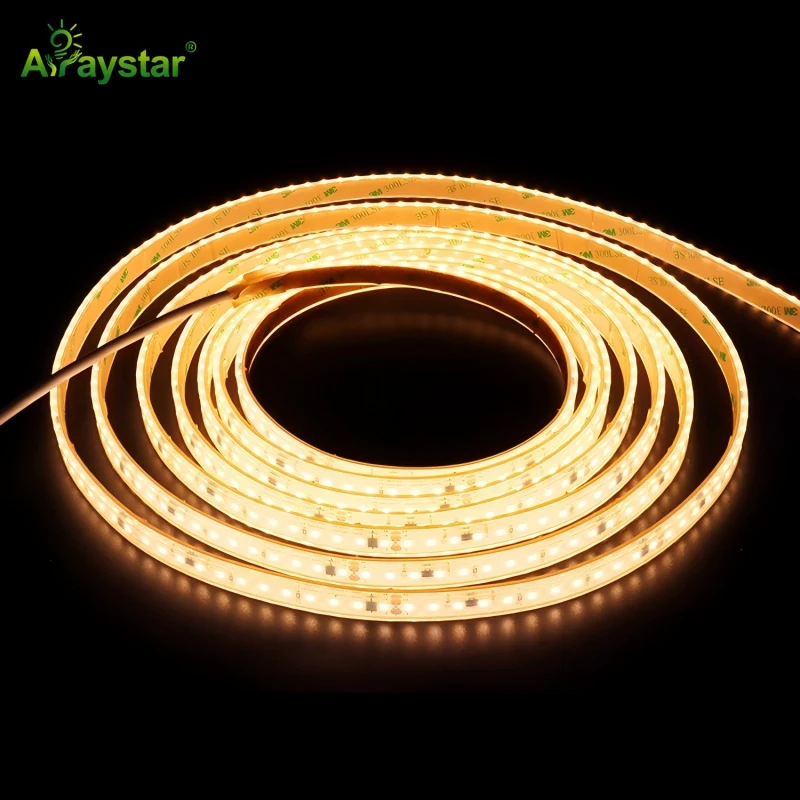
In a domestic dry location, fixed to a wall or cabinet with the plug accessible and the cable clipped, a 230V strip on its own plug is treated as a portable or direct-connected Class II appliance. It needs an RCD-protected circuit behind it, insulated and double-insulated construction, and a plug fused at 3A or 5A. That covers a kitchen under-shelf run, a bedroom cove, or a lounge feature line.
- Domestic dry rooms only, with accessible plug and no concealed cable.
- Circuit protected by an RCD at the consumer unit, typically 30mA.
- Maximum run length as specified by the manufacturer, usually 50 to 100 metres on one plug.
- No joining or cutting inside a wall or ceiling void.
I fit these all the time in refurbishments where chasing the wall for a 24V driver feed is more trouble than the client wants to pay for. The plug is the safety barrier, and it has to stay reachable.

Where it fails compliance
The same strip in a bathroom zone, a shower room, a commercial kitchen, or an outdoor canopy is a different conversation. A plug-in 230V fitting is not permitted in zone 1 or zone 2 of a bathroom, and in commercial spaces the inspector wants the supply via a fixed driver or a dedicated circuit, not a consumer reaching behind a cabinet to unplug it.
The plug is the dividing line; once it leaves a dry domestic room, code shifts.
| Location | Plug-in 230V strip acceptable? | What you need instead |
|---|---|---|
| Kitchen dry run | Yes | RCD socket, accessible plug |
| Bathroom zone 2 | No | SELV 24V IP67 fitting |
| Outdoor canopy | No | SELV driver outside the wet zone |
| Commercial shop front | Often no | Fixed connection, listed driver |
I was called back to a café where the owner had bought a cheap plug strip and stuck it under the counter. The environmental health officer made them replace the whole run with 24V gear inside six weeks. The labour cost was more than the product ever saved.
Cutting, joining and end caps
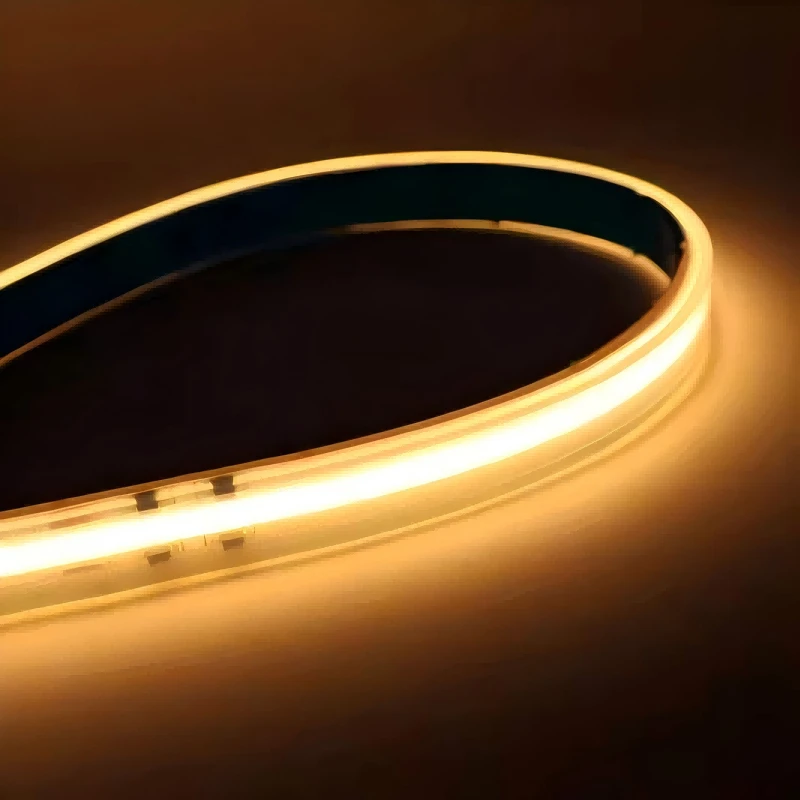
Every mains strip has marked cut lines, usually every half metre or metre. Cut on the line with scissors and the circuit board stops cleanly. What you must not do is cut between marks, then try to join two pieces with a screw terminal block inside a ceiling void. The joints on a 230V PCB are not made for that, and they arc.
- Cut only on the printed scissors mark, never between marks.
- Use the manufacturer connector for inline joins, not a generic choc block.
- Seal the cut end with the rubber end cap and silicone; bare PCB tracks corrode.
- Never extend the mains cable by twisting and insulating; use a proper plug or a fixed connection.
My rule of thumb: if a run needs more than one join, order the strip in the exact length you need. The strip comes in custom lengths anyway, so there is no excuse for a bodged inline joint on line voltage.
The handover walk-through
Before I sign off a plug-in strip job, I run through the same short list I use on every domestic install.
- Pull the plug; the strip goes dark with no flicker or delay.
- Feel the end caps and the inline controller after two hours running; they should be warm, not hot.
- Confirm the RCD trips when tested with the button on the consumer unit.
- Check the cable is clipped and not draped across a hot pipe or a sharp cabinet edge.
- Hand the client the fuse rating and the length spec on a printed note.
Recommended Products
Frequently Asked Questions
Can I run a 230V plug-in strip in a shower room?
No. A plug-in 230V fitting is not permitted in bathroom zones 1 or 2. You need a 24V SELV fitting with an IP67 rating, and the driver must sit outside the wet zone in a dry adjacent space. The plug itself is the wrong level of protection near water.
What fuse should the plug carry?
A 3A fuse is the standard for most plug-in LED strips, because the load is small, usually under 40W per metre. A 5A fuse is acceptable on longer runs or when several strips share one socket. Never fit a 13A fuse to a low-power strip; it defeats the point of the plug fuse and the strip can overheat before the plug reacts.
Can I cut a 230V strip to a shorter length?
Yes, but only on the printed scissors mark. Cut between marks and the series circuit is broken and the segment will not light. After cutting, fit the rubber end cap and seal it with silicone so moisture cannot reach the bare PCB tracks. Never join two cut pieces with a generic terminal block.
Is a plug-in strip allowed in a commercial shop?
Usually not. Retail fit-outs expect a fixed connection via a listed driver, with the supply run in conduit and accessible only to the maintenance team. A customer-facing plug under a counter is the kind of thing an inspector flags. Spec a 24V fixed strip from the start on commercial jobs.
How long can one plug-in 230V strip run?
Most manufacturers rate a single plug between 50 and 100 metres, depending on wattage per metre. A 10W per metre strip can go further than a 20W per metre one. Check the spec sheet for the exact figure rather than guessing; voltage sag on AC is smaller than on DC but the controller still has a rated load limit.
Need help with your LED project?
Get factory-direct pricing, free samples and engineering support within 24 hours.
Email: info@arraystarled.com | Phone: +86-0755-2103-6746 | WhatsApp: 0086 1581 8514 077
Need to size your power supply? Use our LED Strip Power Calculator to find the right driver in seconds.