A Dirty Shadow Band at the Base of a Washed Wall (Mounting Too Close)
- 2026-11-02 15:55
- /
- Arraystar LED
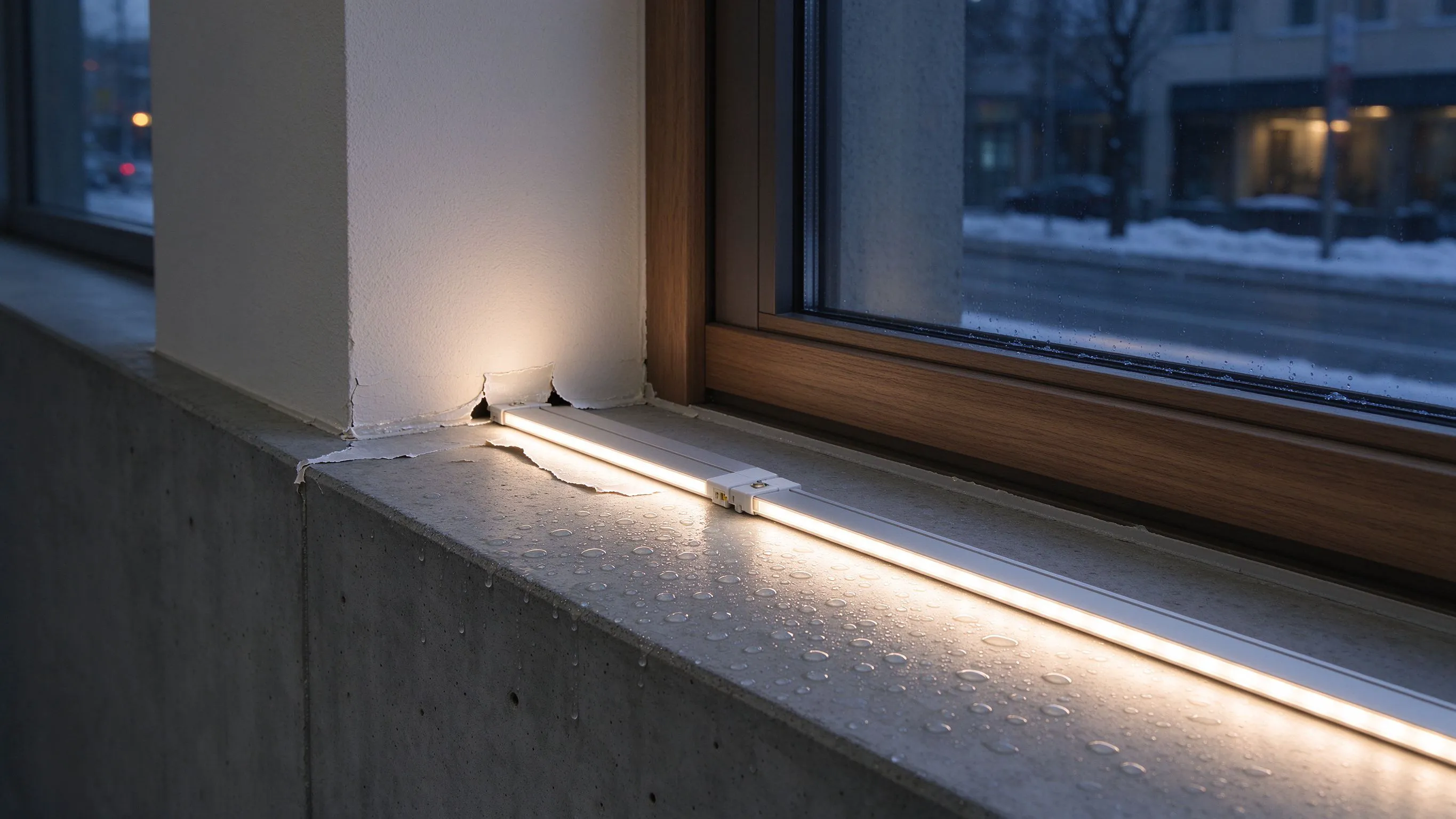
A dirty dark band at the base of a washed wall is almost always a mounting problem, not a dim LED. The washer is sitting too close to the wall, so the beam cuts off before it reaches the floor and leaves a shadow under the wash.
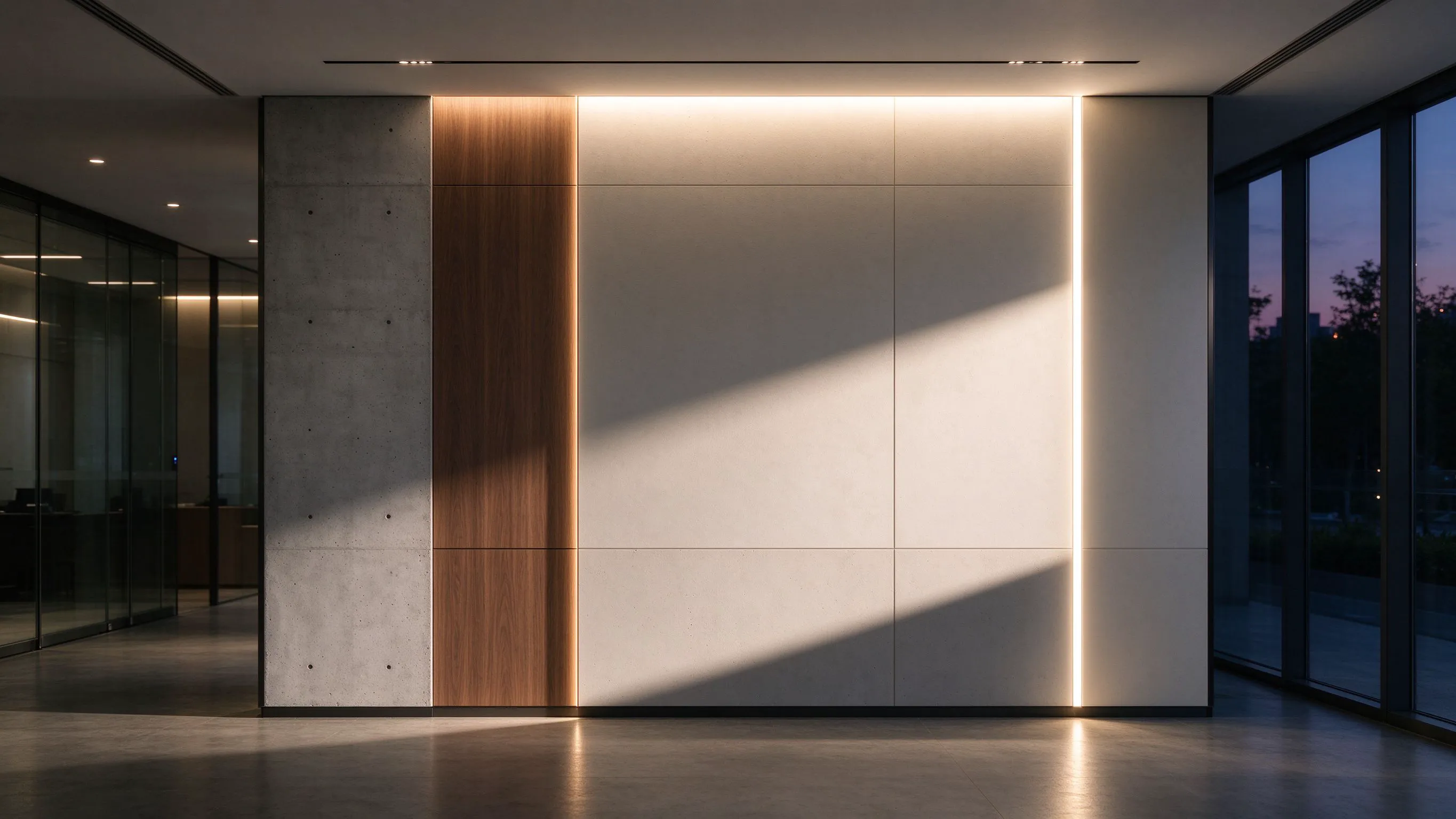
The dark band at the skirting that nobody talks about
A feature wall lit from a slim flex washer at the base looks beautiful until you step back. Right at the skirting there is a 100 to 150 mm dark band, like the light forgot to finish. The client thinks the LEDs at the end of the run are dying. They are not; the beam is simply not reaching the wall below a certain height.
A flex wall washer emits at a fixed angle from the profile. If you mount the profile flush against the wall face, the beam hits the wall at a steep rake and the near field, the bottom 100 to 200 mm of wall, is in the blind zone. Move the washer out from the wall by the right distance and the band lifts cleanly off the surface.
- The dark band is always at the base, never in the middle of the wall.
- It changes width when you step back, which proves it is a beam geometry issue.
- The top of the wall washes fine; only the lower strip is blind.
Why the setback decides where the wash lands
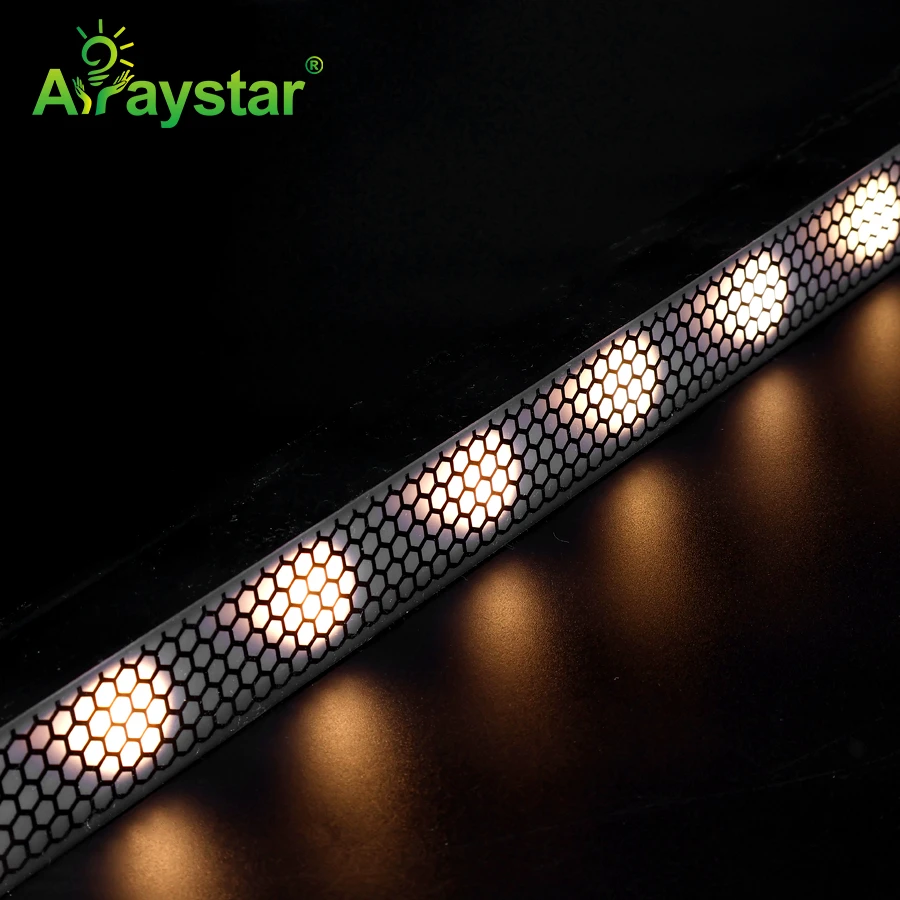
A typical wall-washer flex emits at 30 to 45 degrees off vertical. If the profile sits 10 mm from the wall on a 100 mm shelf, the beam hits the wall at about 120 mm above the floor; below that, nothing. If you lift the washer 100 mm out from the wall on a deeper shelf, the beam reaches almost to the floor. The relationship is simple trigonometry: setback divided by the tangent of the beam angle gives you the start height.
I size the shelf depth against the wall height. For a 3 m feature wall I want the wash to start within 50 mm of the skirting, which means the washer sits about 150 to 200 mm out from the wall on a dedicated shelf. That shelf becomes part of the design, hidden by the skirting or the reveal.
Quick numbers: setback versus wall height
A wash wants setback; a graze wants the profile tight to the wall.
| Wall height | Beam angle needed | Setback from wall |
|---|---|---|
| 1.5 m, head-level accent | 30 degrees | 80-100 mm |
| 3 m feature wall | 40 degrees | 150-200 mm |
| 5 m double-height lobby | 45 degrees | 250-300 mm |
| Ceiling graze, not wash | 60 degrees | Flush, 10 mm |
Beam spread, lens choice and angle of the housing
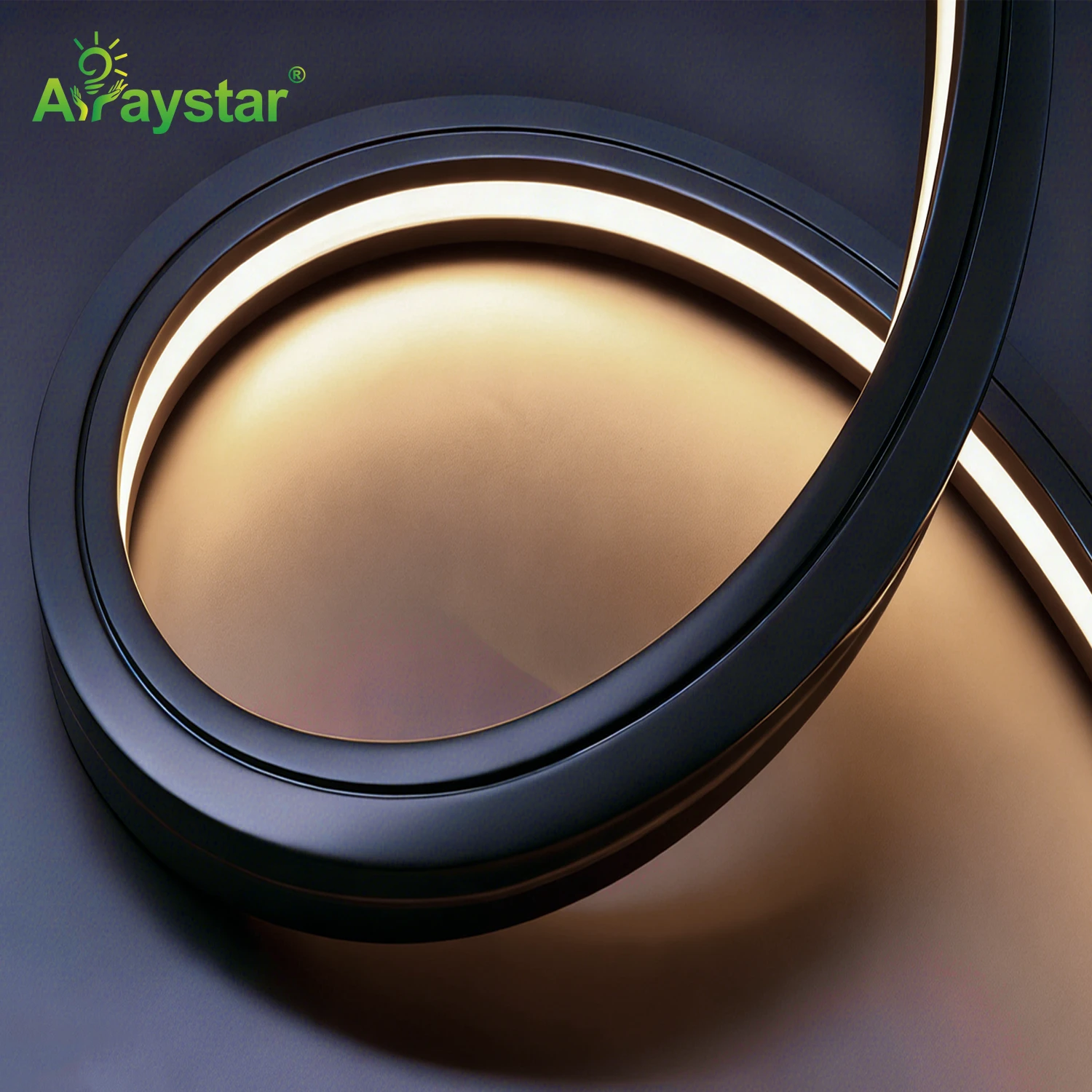
Not every flex washer is the same. A top-bend 18x18 mm unit emits a narrow beam that lifts off the base quickly; a side-emitting 16x16 unit washes a wider wall but leaves a bigger blind zone if it is too close. I pick the flex size against the wall height, and I tilt the housing by 5 to 10 degrees upward on adjustable brackets so the lowest ray clears the skirting.
Diffuse lenses soften the step between the lit wall and the dark band, but they do not remove the blind zone. A clear lens with correct setback gives a cleaner wash; a diffuse lens with bad setback just blurs the dark band rather than lifting it.
What I spec and what I check on handover
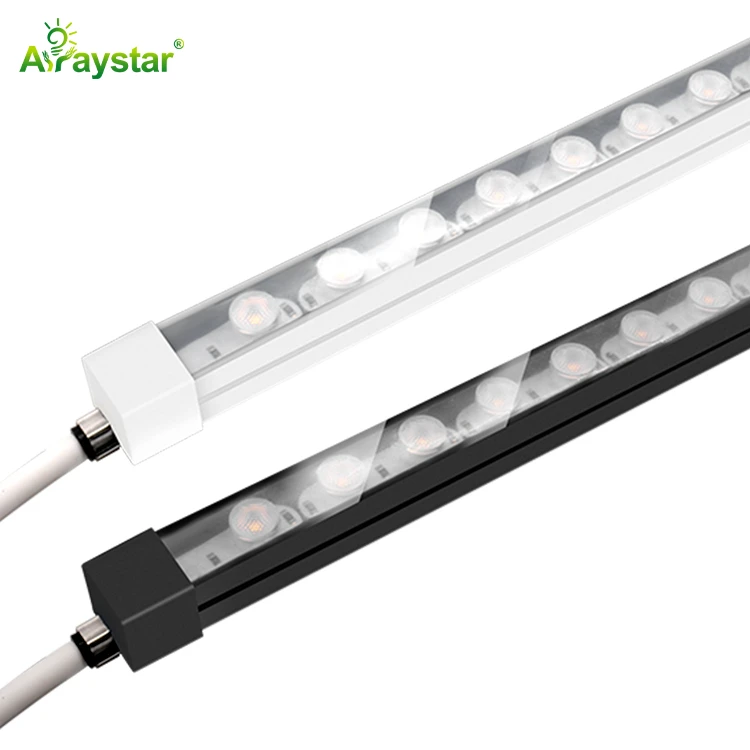
I spec a dedicated recessed shelf or skirting channel deep enough to hold the washer at the calculated setback, and I make sure the shelf lip does not cut the beam. A 20 mm lip on the front of the shelf will itself throw a shadow, which the client then blames on the strip. The shelf lip needs to be below the lowest beam ray.
On handover I turn the wall on at dusk and stand back 3 m. I look for the dark band at the skirting. If it is wider than 50 mm, I adjust the bracket angle or push the shelf out another 20 mm before I sign off. That is a two-minute tweak on site, and it is the difference between a feature wall and a half-lit wall.
Recommended Products
Frequently Asked Questions
Why does my wall wash have a dark band at the skirting?
The flex washer is mounted too close to the wall. Its beam hits the wall at a steep rake and the lowest 100 to 200 mm of wall sits in the blind zone. Move the washer out 150 to 200 mm on a shelf and tilt it up 5 to 10 degrees.
How far from the wall should a wall washer sit?
For a 3 m feature wall, plan on 150 to 200 mm setback with a 40 degree beam angle. For a 5 m double-height wall I go 250 to 300 mm. A head-level accent at 1.5 m height can sit closer, around 80 to 100 mm.
What is the difference between a wall wash and a graze?
A wash is a near-parallel beam that lifts the whole wall evenly, and it needs setback. A graze skims the wall at a shallow angle to reveal texture, and it wants the profile tight, 10 mm off the wall. They are opposite mounts; do not mix them on one shelf.
Will a diffuser lens fix the dark band at the base?
It blurs the edge but does not lift the band. A diffuse lens softens the transition; a clear lens with correct setback actually removes the blind zone. Fix the geometry first, then choose the lens for the wall texture.
Should I tilt the wall washer upward or keep it horizontal?
Tilt it 5 to 10 degrees upward on an adjustable bracket. That extra lift clears the skirting and raises the wash start point. Keep the top ray under control so it does not throw a hot patch on the ceiling cornice.
Need help with your LED project?
Get factory-direct pricing, free samples and engineering support within 24 hours.
Email: info@arraystarled.com | Phone: +86-0755-2103-6746 | WhatsApp: 0086 1581 8514 077
Need to size your power supply? Use our LED Strip Power Calculator to find the right driver in seconds.