Washing a Vertical Feature Wall: Beam Angle and Floor Setback
- 2026-10-28 10:04
- /
- Arraystar LED
A feature wall looks flat and even only when the beam angle and the floor setback match the wall height. I used to eyeball it; now I do the two-minute trigonometry on site. The number I aim for is a setback of roughly one third of the wall height.
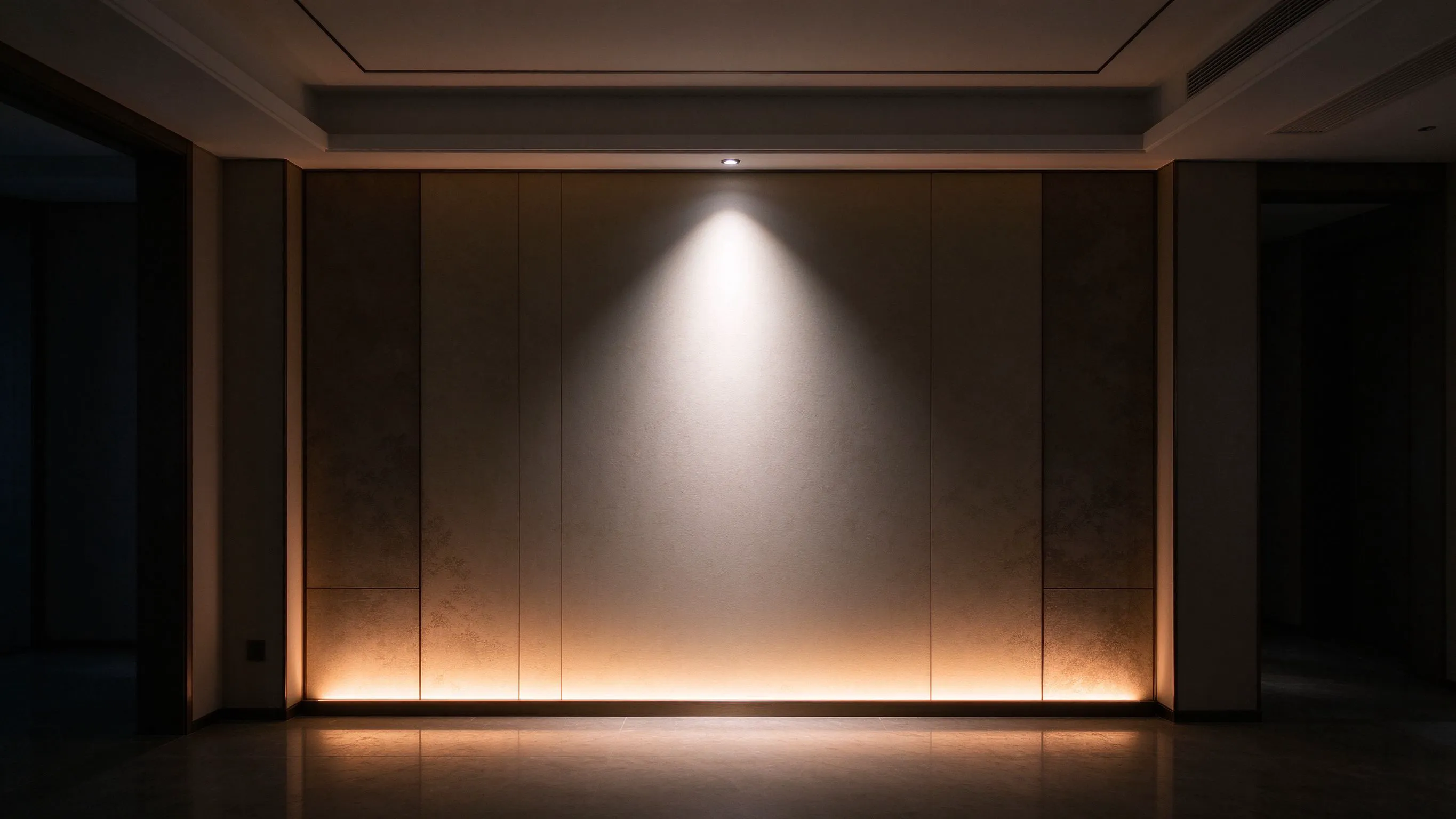
Washing versus grazing
Grazing puts the light source very close to the wall and rakes across the surface, showing texture. Washing sets the light source back and aims it up the wall so the surface looks evenly lit from floor to ceiling. A feature wall clad in stone, timber slats or render usually wants a wash, not a graze. A wall with fine brick or tiles sometimes wants a graze.
The mistake I see most often is using a grazing strip set back too far, which produces a bright pool at floor level and a dark top. That is not a wash; that is a floor light with a wall behind it. The strip angle and setback have to be chosen together.
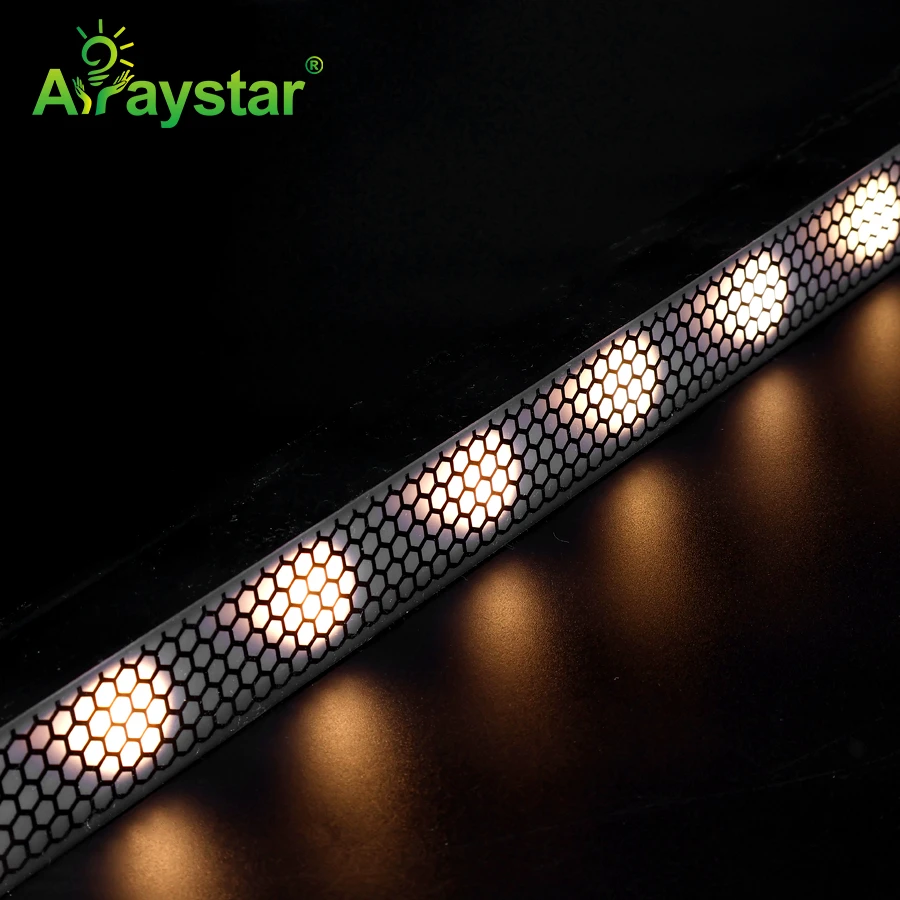
The setback formula
For a wall of height H, I set the light source back from the wall by roughly H divided by three. On a three-metre wall that is a one-metre setback. On a five-metre exterior facade that is a 1.6 metre setback. The beam angle then matters: a 30-degree beam covers less height than a 60-degree beam at the same distance.
Setback scales with wall height; taller walls want wider beams.
| Wall height | Setback from wall | Beam angle | Light position |
|---|---|---|---|
| 2.4 m | 0.8 m | 40 deg | floor line |
| 3.0 m | 1.0 m | 45 deg | floor line |
| 5.0 m | 1.6 m | 55 deg | ground, 0.3 m above grade |
I hold a tape measure and a phone clinometer on site before I fix anything. If the setback is wrong, the only fix is moving the light source; you cannot rescue it with power. A dim but even wall beats a bright dark top.
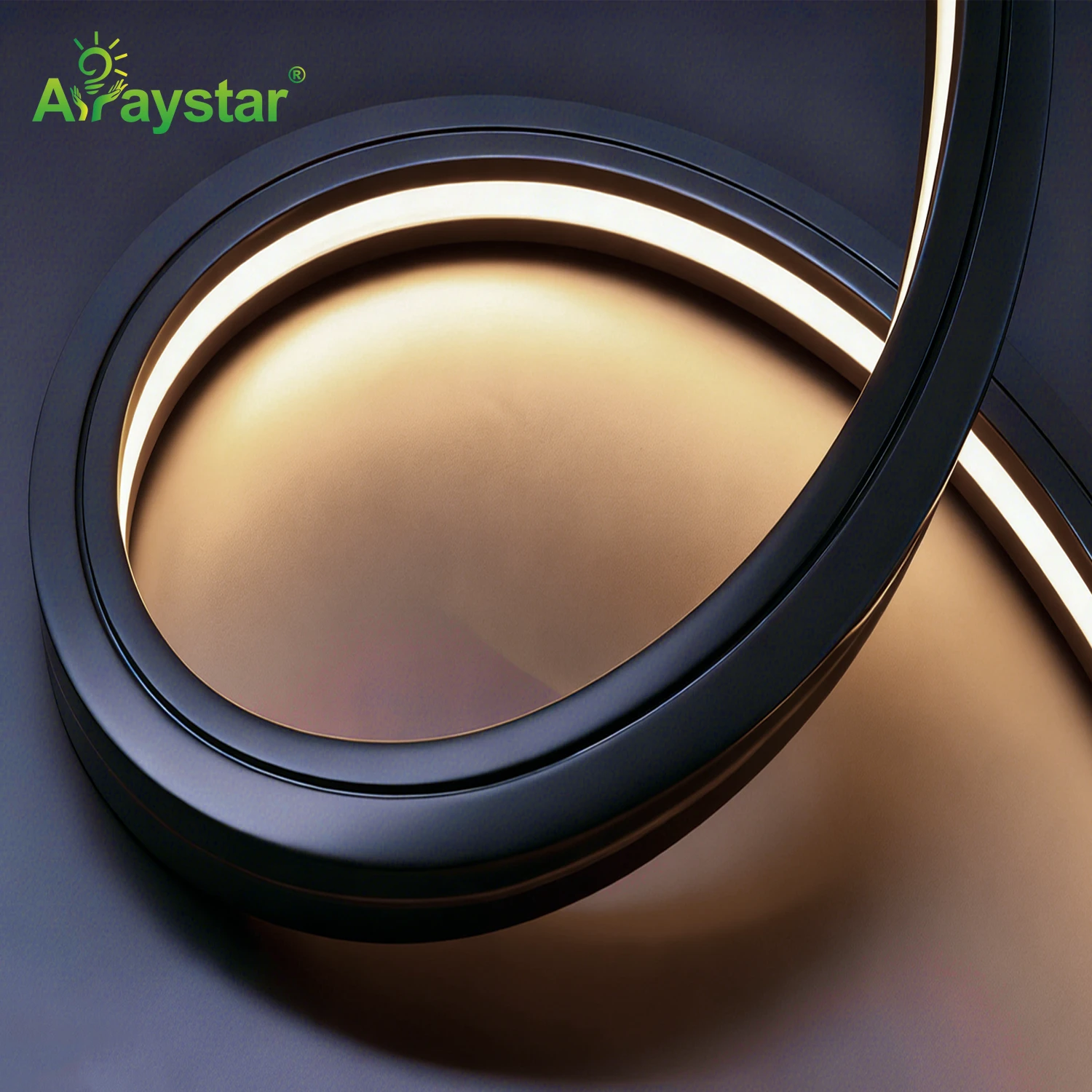
Beam angle and strip choice
A narrow beam, under 30 degrees, is for a tall wall far away; it reaches high but leaves a hot pool at the bottom. A wide beam, over 60 degrees, is for a short wall close up; it flattens the light but does not reach the top. For most feature walls between 2.4 and 4 metres, a 40 to 50 degree beam is the sweet spot.
- Under 30 deg: tall facade, light set back over two metres.
- 40-50 deg: interior feature walls, floor-line wash.
- Over 60 deg: short walls, coves and low soffits.
I carry a sample strip in the van. I hold it on the floor at the planned setback, switch it on, and walk back to the room eye line. If the wall top is dim, I need a wider beam or a further setback; if the floor pool is hot, I need a narrower beam.
Floor, plinth and spill
A wash strip on the floor line throws light back onto the floor as well as up the wall. On a polished stone floor that spill reads as a bright halo and it ruins the clean wall. I add a small shield or a deflector lens at the strip aperture so the beam starts at 10 degrees above horizontal, not straight up from the floor.
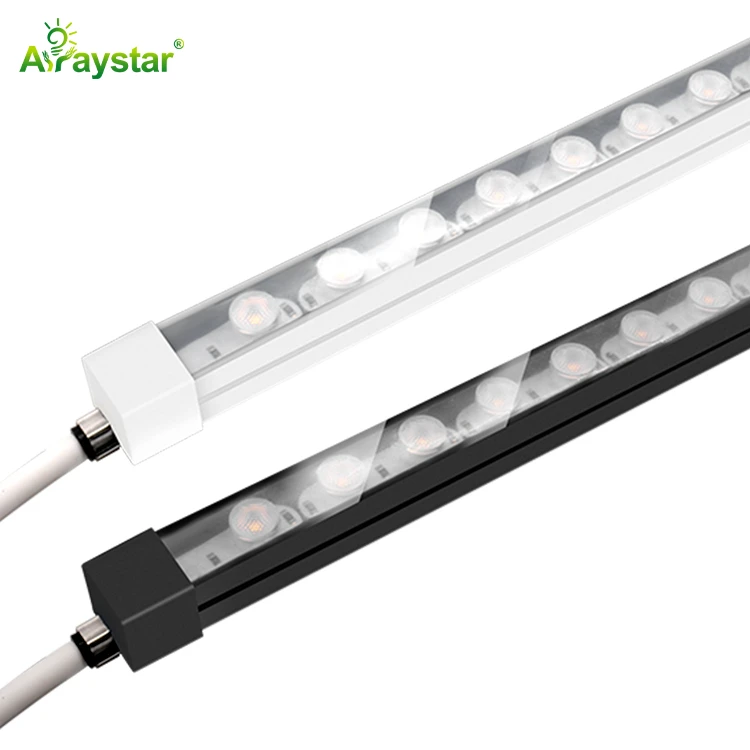
On exterior walls I keep the light source at least 300 mm above grade so rain splash, leaves and dirt do not sit on the lens. A strip mounted flush to the ground gets covered in six months and the wash goes patchy.
The site test
I never commit a wall washer layout without a night test. Daylight hides every mistake.
- Mark the planned setback with masking tape at floor level.
- Hold the sample strip on the tape at night and photograph the wall.
- Stand back six metres; the wall should read even from floor to top.
- Check the floor spill; add a shield if the halo is visible.
- Walk the whole wall; dark patches at the ends mean strip spacing is wrong.
Recommended Products
Frequently Asked Questions
How far off the wall should a wall washer sit?
Roughly one third of the wall height. On a three-metre wall that is one metre setback. On a five-metre exterior wall, 1.6 metres. Too close and you get a bright floor pool and a dark top; too far and the beam loses punch and the whole wall reads dim. Use the setback formula rather than eyeballing it.
What beam angle do I need for a feature wall?
For interior feature walls between 2.4 and 4 metres, a 40 to 50 degree beam is the sweet spot. Under 30 degrees, the beam is too narrow and leaves a hot floor pool; over 60 degrees, it is too wide and never reaches the top. Match the beam to the wall height and setback, not to the spec sheet headline.
Should I graze or wash a stone feature wall?
Mostly wash. A graze shows the stone texture, which can look busy and dirty in a residential setting. A wash makes the wall read as a clean, even plane that the eye rests on. Use a graze only when the client specifically wants texture, such as a rough-cut feature wall in a hospitality entrance.
How do I stop the floor halo from a floor-line wash?
Add a small deflector lens or shield at the strip aperture so the beam starts about 10 degrees above horizontal. Without the shield, half the light lands on the floor and reads as a bright halo on polished stone. On exterior walls, lift the light source 300 mm above grade so it is not spraying the pavement either.
How do I check the wash is even before I commit?
Do a night test. Mark the planned setback with tape, hold a sample strip on the tape, and photograph the wall from six metres back. Walk the whole wall; dark patches at the ends mean the strip spacing is wrong, and a dim top means the beam is too narrow or the setback is too small. Daylight hides all of this.
Need help with your LED project?
Get factory-direct pricing, free samples and engineering support within 24 hours.
Email: info@arraystarled.com | Phone: +86-0755-2103-6746 | WhatsApp: 0086 1581 8514 077
Need to size your power supply? Use our LED Strip Power Calculator to find the right driver in seconds.