Wall Washers in a Gallery: Avoiding Glare on Framed Art
- 2026-10-28 10:04
- /
- Arraystar LED
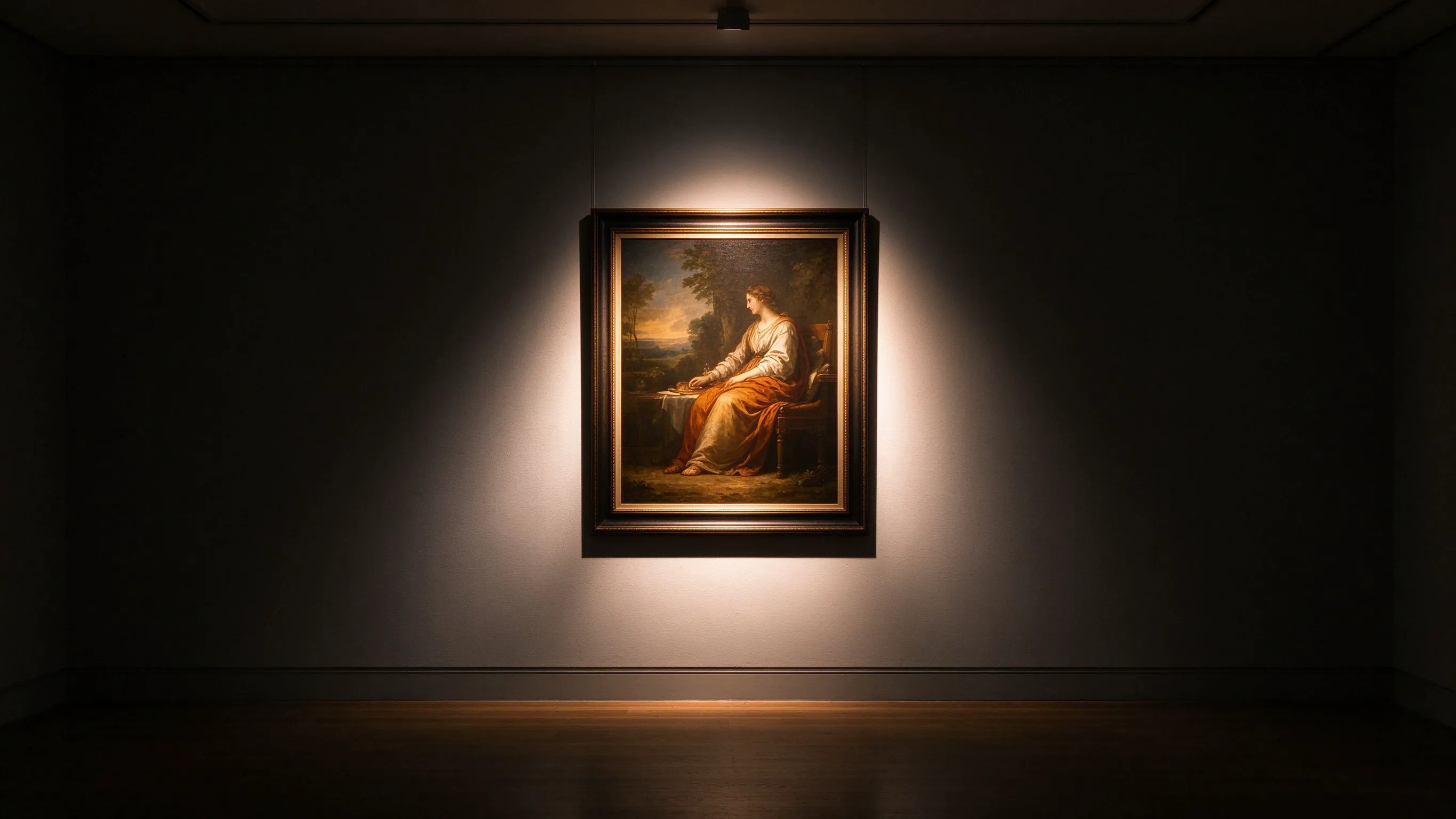
A wall washer in a gallery fails the brief the moment you can see the light source reflected in the glass. I used to aim for even wall brightness; now I aim for even canvas brightness with zero pane reflection. The angle and the visor make the difference.
Why gallery light is different
In a living room, a bright wall is fine. In a gallery, the wall is a supporting surface for the art, and the moment the light source reflects in the picture glass, the painting disappears. The goal is to light the canvas evenly while keeping the light source out of the reflection cone of every frame on the wall.
That cone is the angle between the viewer eye line, the glass plane, and the light source. A typical viewer stands 1.5 metres back at eye height; if the light source sits anywhere in that reflection cone, you see a bright rectangle on the glass. The fix is to aim the light so the source itself is hidden above the viewer line.
Height, angle and the reflection cone
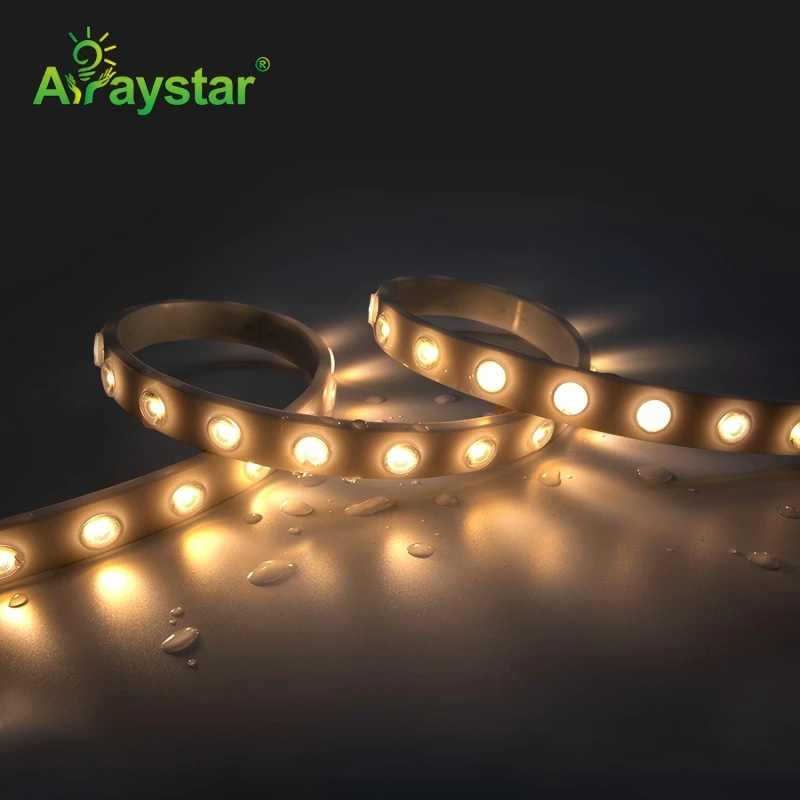
For a painting hung at 1.5 metres on centre, I mount the wall washer 300 to 450 mm above the top of the frame and aim it down at about 30 degrees. That puts the brightest patch on the canvas centre and keeps the strip housing above the line of sight. If the strip is too close to the frame, the reflection cone catches it.
Strip height scales with frame size; larger frames want more headroom.
| Frame top height | Strip height above frame | Aim angle | Viewer distance |
|---|---|---|---|
| 1.8 m | 300 mm | 30 deg | 1.5 m |
| 2.0 m | 400 mm | 35 deg | 2.0 m |
| 2.2 m | 450 mm | 40 deg | 2.5 m |
I have learned to test the reflection with a phone camera. Stand where a visitor will stand, point the phone at the frame, and check the preview. If the strip shows up in the preview, it will show up in the glass. Move it up or back until it disappears.
Beam spread and frame spacing
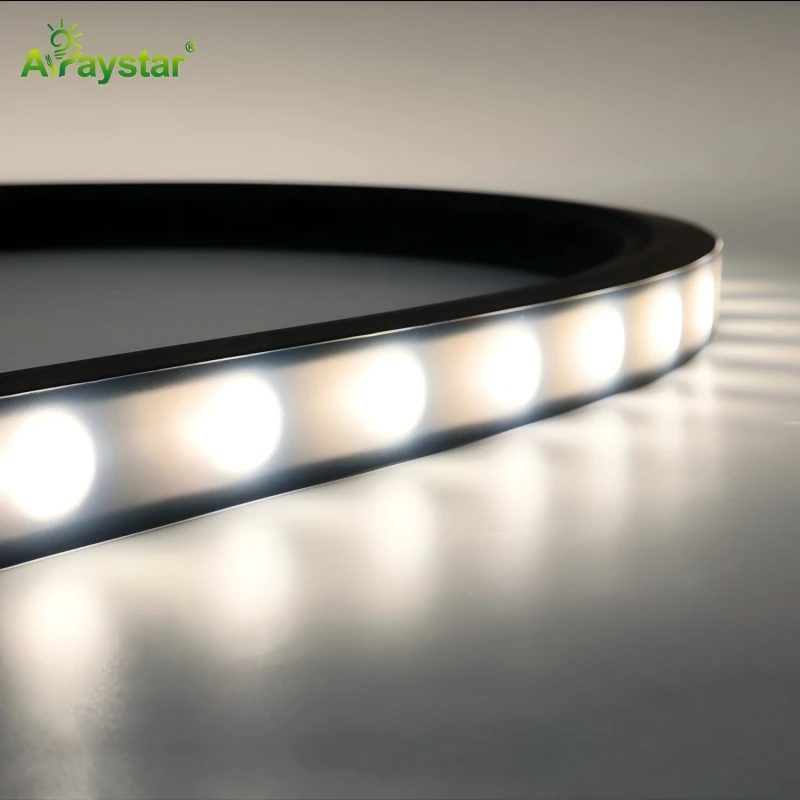
A wall washer with a narrow beam lights one frame brightly and leaves the next frame dim. A wide beam spills across the wall and creates overlap. In a gallery I want a beam that covers one frame with a small spill onto the wall either side, not the whole wall. That means choosing a beam angle that matches the frame height.
- Small frames, under 600 mm tall: 25-35 deg beam.
- Medium frames, 600-900 mm tall: 35-45 deg beam.
- Large works, over 900 mm: two strips per work, or a 50 deg beam.
- Never let two beams overlap on a single canvas; the overlap reads as a bright patch.
On a recent gallery job the client wanted one long strip along the whole wall. I talked them into one short strip per frame. The long strip made every frame equally lit, which sounded good, but the overlap between frames created uneven brightness on the wall itself.
Glare, colour temperature and CRI
Colour temperature in a gallery is a client call, but I push for 3000K on oil painting and 3500K on works on paper. CRI must be at least 90; below that, reds and blues shift and the curator notices immediately. I also keep the lux level around 150 to 200 lux on the canvas; brighter does not make the art look better, it makes the room feel like a shop.
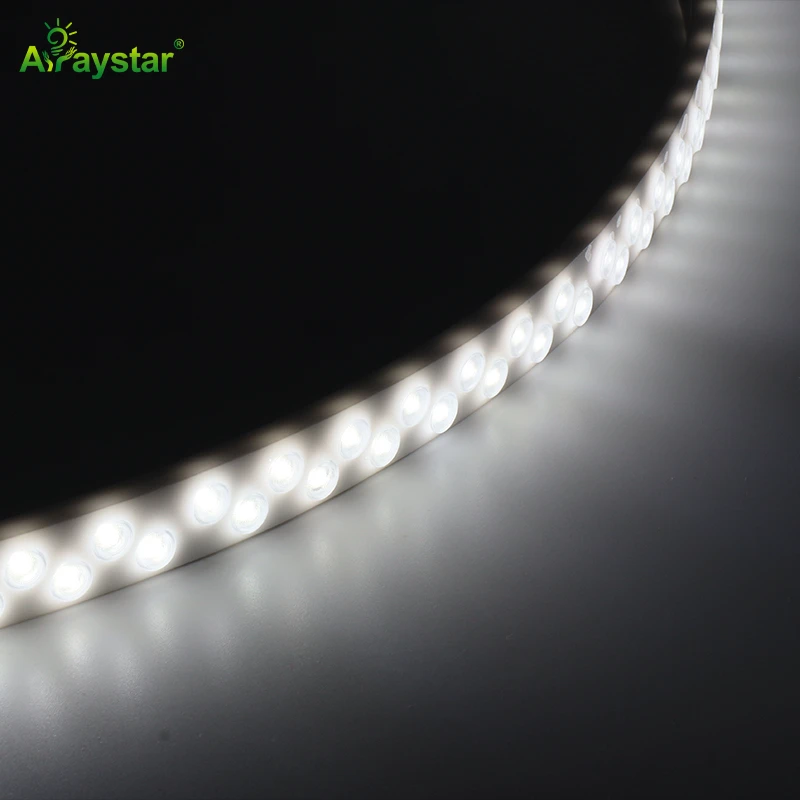
The visor or hood is the part people skip. A bare strip at the top of the frame casts glare into the visitor eyes as they walk past. A small visor on the strip housing keeps the light directed onto the canvas and kills the downward spill that makes people squint.
The hanging test
Before I sign off a gallery lighting job, I run the same walk I make every client do.
- Stand at each viewing point and check the glass reflection.
- Photograph each frame with a phone; the strip should not appear.
- Check the canvas brightness is even across the whole work, edge to edge.
- Walk the room sideways; there should be no glare in the visitor eye line.
- Confirm CRI with a meter if the curator is paying for it.
Recommended Products
Frequently Asked Questions
How far above the frame should a gallery wall washer sit?
I mount it 300 to 450 mm above the top of the frame and aim it down at about 30 degrees. That puts the brightest patch on the canvas centre and keeps the strip housing above the visitor eye line. If it is closer than 200 mm, the reflection cone catches the glass and you see a bright rectangle.
What beam angle is best for framed art?
For small frames under 600 mm tall, a 25 to 35 degree beam covers the work with minimal wall spill. For medium frames 600 to 900 mm tall, 35 to 45 degrees. For large works over 900 mm, use two strips per work or a 50 degree beam. The goal is even canvas brightness without overlap between neighbouring frames.
What colour temperature should gallery lighting be?
I specify 3000K for oil paintings and 3500K for works on paper. CRI must be at least 90; below that, reds and blues shift and the curator notices. Keep the lux on the canvas around 150 to 200 lux. Brighter does not improve the art, it makes the space feel like a retail shop.
How do I check the glass reflection before fixing the strip?
Stand where a visitor will stand, about 1.5 metres back at eye height, and point a phone camera at the frame. If the strip shows up in the preview, it will show up in the glass. Move the strip up or back until it disappears from the preview. This takes two minutes and avoids a costly rehang.
Do I need a visor on a gallery wall washer?
Yes. A bare strip at the top of the frame casts downward glare into the visitor eye line, making people squint as they walk past. A small visor on the housing keeps the light directed onto the canvas and kills the downward spill. It is a small fitting but it changes the room from shop to gallery.
Need help with your LED project?
Get factory-direct pricing, free samples and engineering support within 24 hours.
Email: info@arraystarled.com | Phone: +86-0755-2103-6746 | WhatsApp: 0086 1581 8514 077
Need to size your power supply? Use our LED Strip Power Calculator to find the right driver in seconds.