
Asymmetric & Lensed LED Profiles for Wall Grazing and Washing
- 2026-09-30 17:39
- /
- Arraystar LED
Most linear fixtures emit light symmetrically, which is wrong for grazing a wall, washing a facade or lighting vertical texture - symmetric light wastes half the output into the room and leaves the wall uneven. Asymmetric and lensed wall-washer optics deliberately aim and shape the beam onto the vertical surface, producing even illumination from top to bottom with controlled glare. Choosing between top-bend, 3D and lensed flex wall washers - and setting the correct setback and aiming angle - is what separates dramatic, evenly grazed stone and signage from patchy, glaring amateur light.
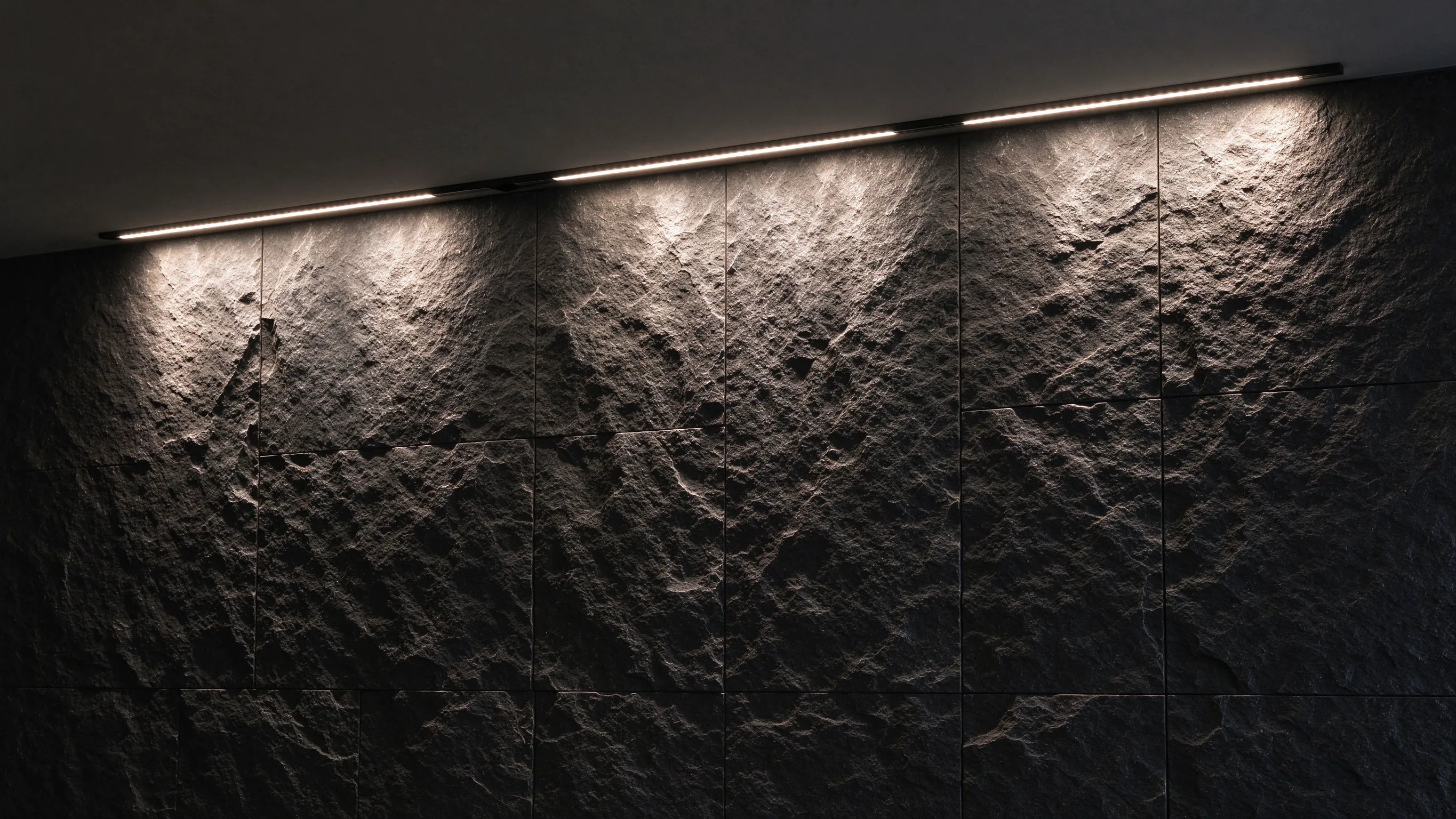
Vertical Surfaces Need Directional, Not Symmetric, Light
Wall grazing and wall washing are about lighting a vertical surface - stone, brick, textured plaster, facade panels, signage backdrops - so its texture or color reads across the full height. A standard downward or symmetric linear fixture throws much of its light onto the floor or into the room and lights the wall unevenly (bright at the bottom, dark at the top), with glare for anyone nearby.
Asymmetric wall-washer optics solve this by angling and lensing the beam toward the wall with a shaped distribution designed to compensate for distance, so the surface is evenly illuminated top to bottom. The fixture type, setback distance from the wall and aiming angle are the three variables that determine whether the effect is smooth or streaky.
Wall Grazing for Texture vs Wall Washing for Smoothness
Two related but distinct effects: wall grazing places the light very close to the wall (a few centimeters) with a narrow beam aimed steeply along the surface, raking across it to emphasize texture - dramatic for rough stone, brick, exposed concrete and feature walls. Wall washing places the fixture farther away with a wider, softer beam to blanket the wall evenly, flattening texture and presenting a smooth uniformly lit surface.
Choose grazing when the material texture is the feature and you want drama; choose washing when you want even brightness on smooth walls or signage backgrounds. A top-bend flex wall washer is the workhorse for linear grazing/washing along the top or base of a wall, bending to follow the run and aiming its beam through the optic at the surface.
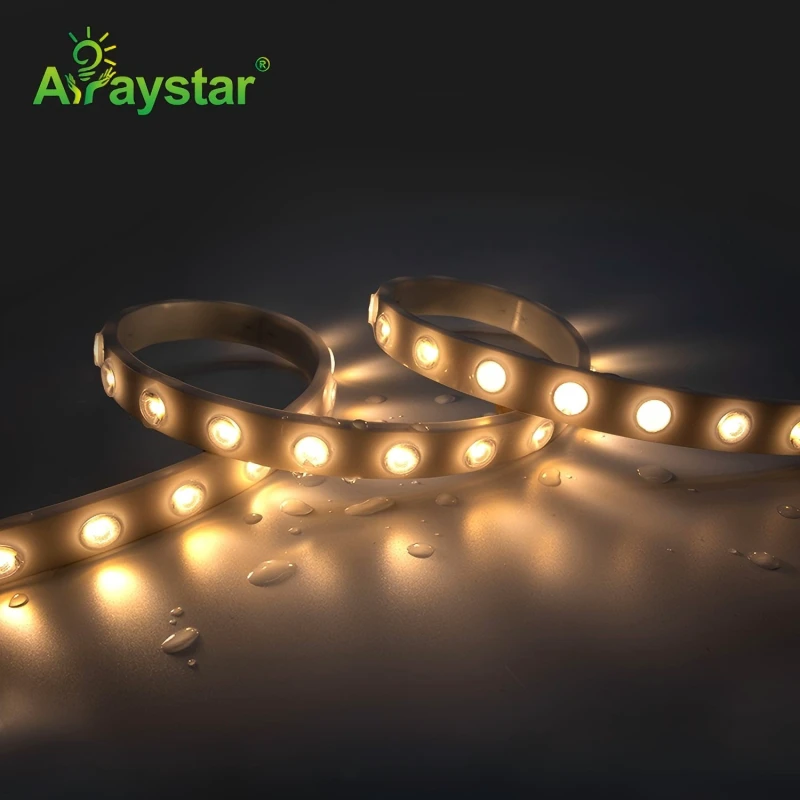
Grazing vs washing and the fixtures that do each.
| Technique | Fixture distance | Beam | Best for |
|---|---|---|---|
| Wall grazing | Very close (~few cm) | Narrow, steep rake | Rough stone, brick, texture drama |
| Wall washing | Farther from wall | Wide, soft, even | Smooth walls, uniform signage backdrop |
| Facade accent | Setback per height | Asymmetric shaped | Building exteriors, columns |
| 3D/contoured surfaces | Conformable 3D flex | Adjustable | Curved/complex facades |
3D-Bend Wall Washers for Curved and Contoured Facades
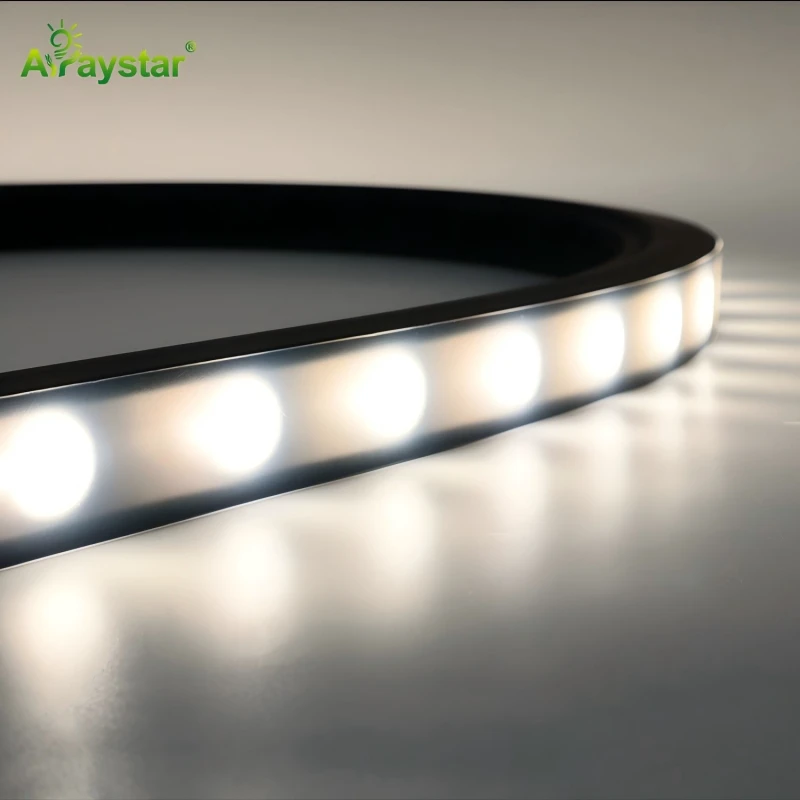
Curved facades, columns, undulating feature walls and 3D architectural forms can't be lit by a straight linear washer - the beam angle changes as the surface curves and the coverage breaks up. A 3D-flex wall washer bends in multiple axes to conform to the contour while keeping its optics aimed at the surface.
The 3D flex wall washer WL2527 conforms to curved and three-dimensional facades and sculptural walls, maintaining the grazing/washing angle as it follows the form so the whole surface stays evenly lit rather than showing bright and dead patches around the curve. It's the specialist product for organic architecture where straight fixtures can't track the geometry.
Setback, Aiming and the Geometry of Even Coverage
Even wall illumination is geometry. The fixture must be set off the wall and aimed so the near part of the beam doesn't overload the bottom while the far part reaches the top. Asymmetric optics are pre-shaped for this, but setback and tilt still need setting on site - too close and you get a hot band at the base; too far or mis-aimed and the top of the wall goes dark.
- Grazing: mount close, beam raking steeply up the surface for texture.
- Washing: mount farther out, wide soft beam for even blanket coverage.
- Aim asymmetric optics so brightness is even top-to-bottom, not base-heavy.
- Use shielding/louvers where the fixture is in occupants' field of view.
- Keep runs continuous and consistent in setback to avoid scalloping.
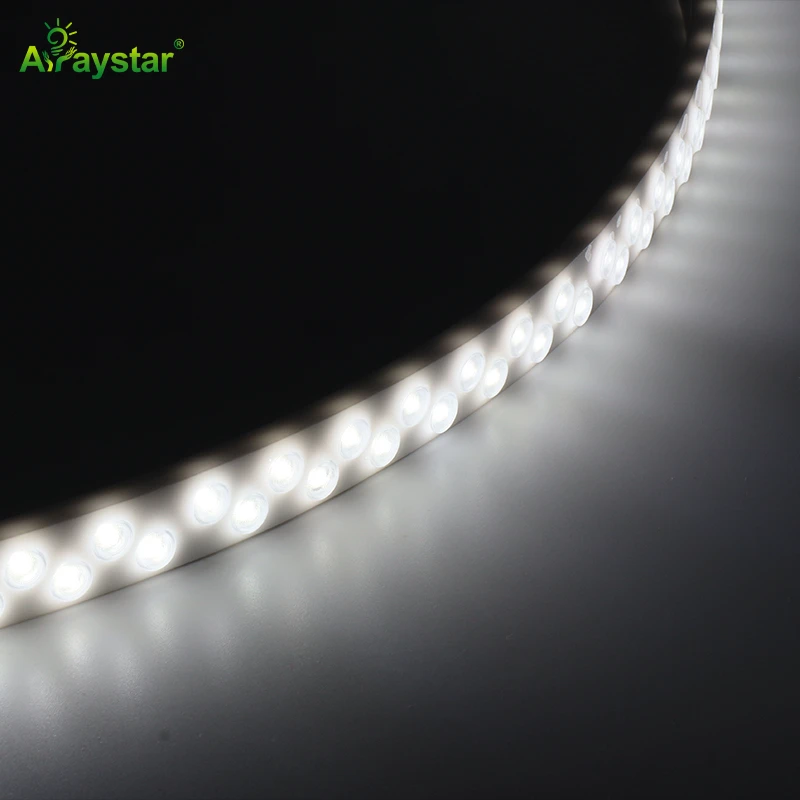
A second top-bend flex wall washer variant in the range covers standard straight runs and corners, letting you keep one optic family across a project. Consistency of setback along the run is critical - even small variations in fixture-to-wall distance show as brightness scalloping on the lit surface.
Color, Glare and Facade Applications
For exterior facades, warm white generally renders stone and brick best and minimizes light pollution when properly aimed and shielded; color-changing wall washers are reserved for branded or event lighting. Always control spill upward and toward neighboring properties - asymmetric grazing that targets the wall is inherently more controlled and efficient than floodlighting, which sprays light everywhere.
Recommended Products
Frequently Asked Questions
What is the difference between wall grazing and wall washing?
Grazing mounts the light very close to the wall with a narrow steep beam that rakes across the surface to emphasize texture (stone, brick, concrete); washing mounts farther away with a wide soft beam for smooth, even brightness that flattens texture. Use grazing for dramatic material texture and washing for uniform smooth walls or signage backdrops.
What is an asymmetric wall-washer LED?
A linear fixture with angled, lensed optics that shape and direct most of the beam onto the vertical surface rather than symmetrically onto the floor/room, with a distribution designed to light the wall evenly top to bottom and reduce glare. It's far more efficient and uniform than aiming ordinary strip or a downlight at a wall.
How do I light a curved or 3D facade evenly?
Use a 3D-flex wall washer (such as the WL2527) that bends in multiple axes to conform to the curve while keeping its optics aimed at the surface. Straight linear washers change beam angle as the facade curves and produce bright/dead patches; a conformable 3D fixture maintains the grazing angle around the whole form.
How far from the wall should a wall washer or grazer be?
For grazing, just a few centimeters with the beam raking steeply along the surface; for washing, farther out with a wide soft beam. Set and tilt the asymmetric optic on site so brightness is even top to bottom - too close creates a hot band at the base, too far or mis-aimed leaves the top dark. Keep setback constant along the run to avoid scalloping.
How do I avoid glare and light spill from facade wall washers?
Use asymmetric lensed fixtures that target the wall rather than floodlights that spray light everywhere, add shielding/louvers where fixtures are in view, aim light onto the surface with no upward spill, and generally use warm white which renders masonry well and reduces obtrusive light toward neighboring properties. Reserve color for branded/event use.
Need help with your LED project?
Get factory-direct pricing, free samples and engineering support within 24 hours.
Email: info@arraystarled.com | Phone: +86-0755-2103-6746 | WhatsApp: 0086 1581 8514 077
Need to size your power supply? Use our LED Strip Power Calculator to find the right driver in seconds.







