My Strip Short-Outs on a Metal Shelf: Bare Pad Contact and Insulation
- 2026-11-02 15:54
- /
- Arraystar LED
You stuck the strip straight onto a steel shelf, switched it on, and half the reel went dark or the fuse popped. The bare solder pads on the back of the strip are touching the metal, and steel is a much better conductor than the air gap you assumed.
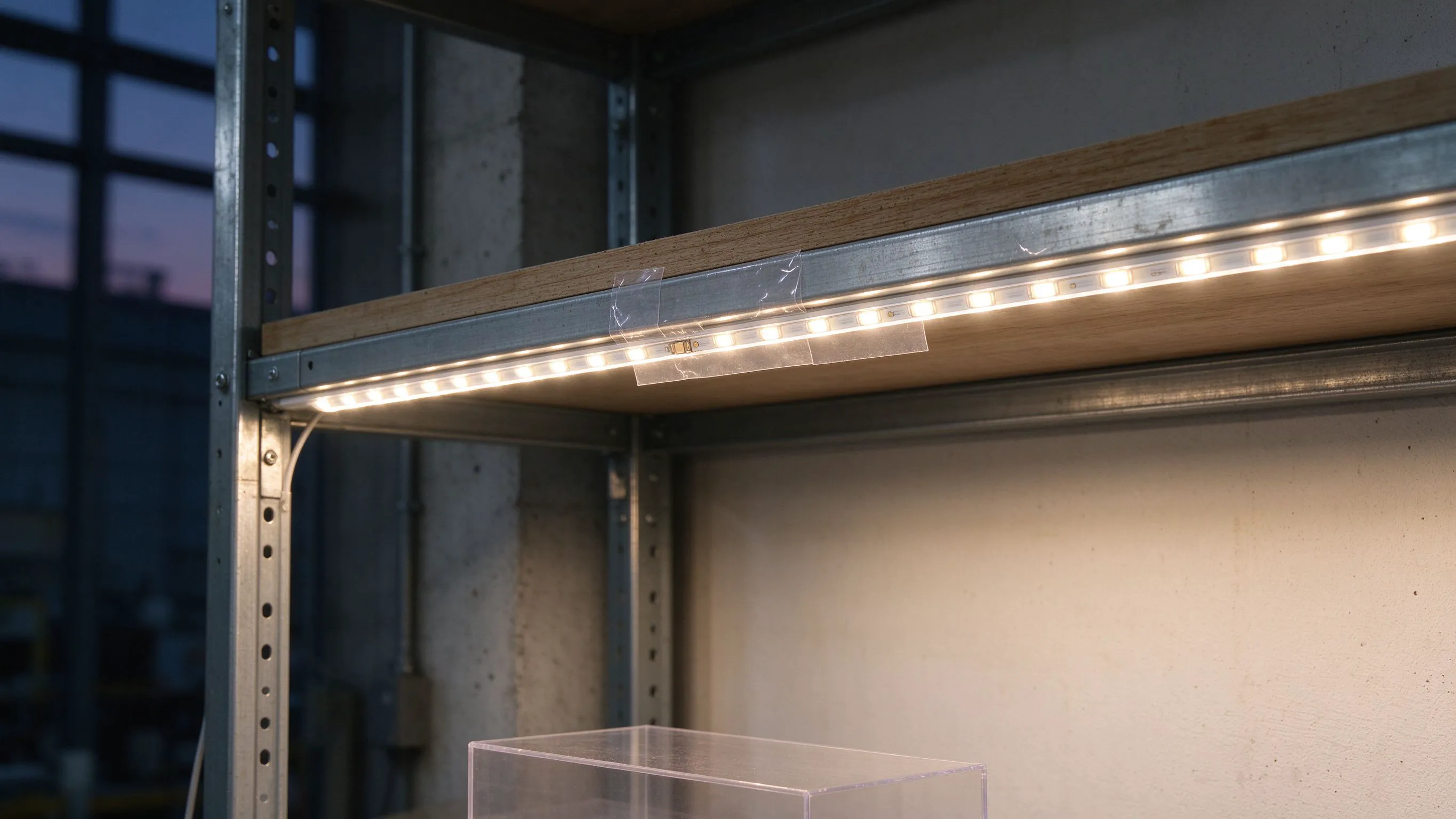
The short that blows the fuse the first rainy night
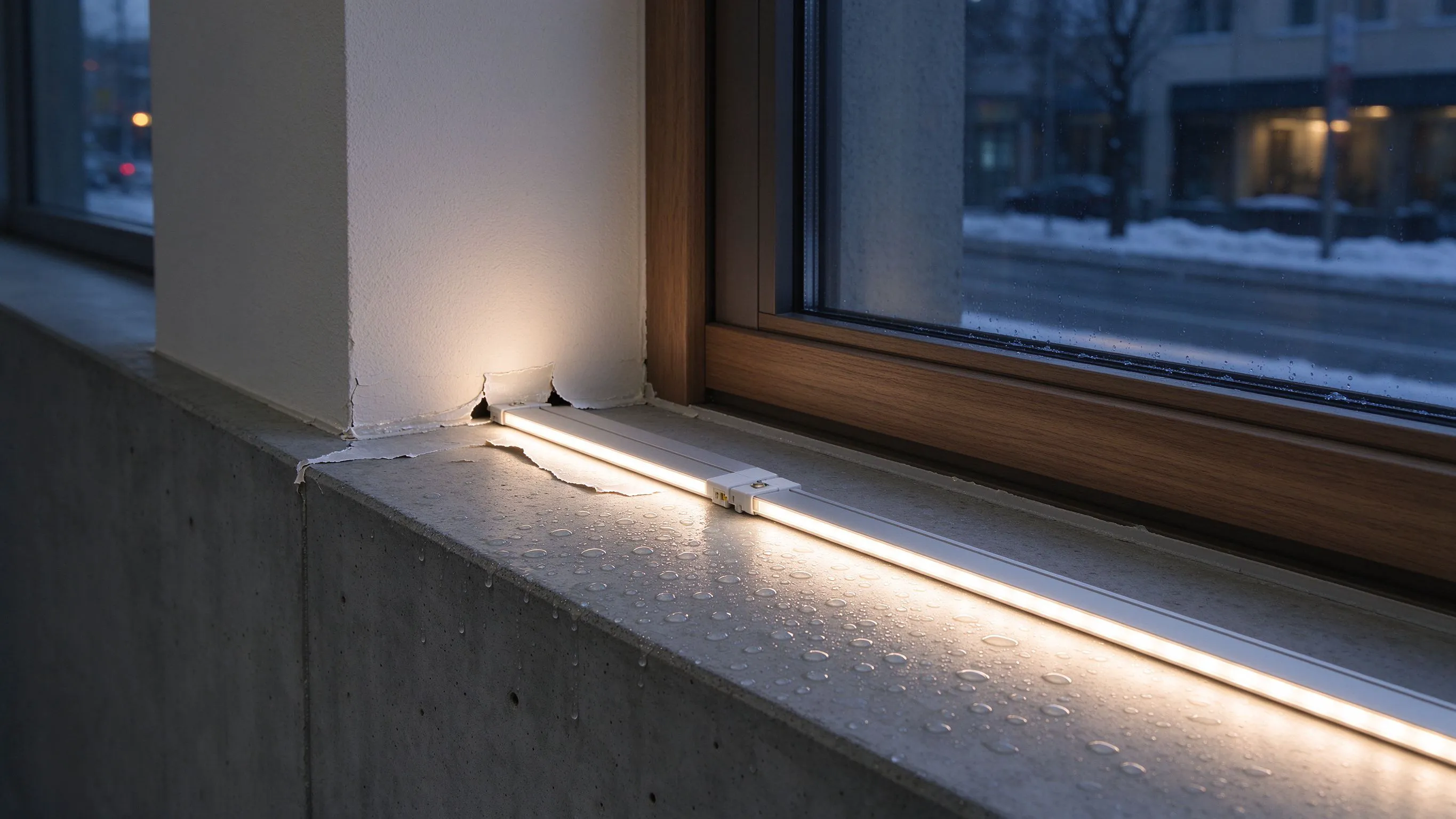
On a metal shelf, the strip looks mounted just fine. The adhesive backing is stuck to the steel, the strip runs straight, and you switch it on. Maybe one section dims, maybe the whole 24 V driver clicks off into protect. The next morning it works again. That is a short circuit through the steel shelf, intermittent because the contact only closes when the strip warms up and sags, or when condensation bridges the gap.
Bare solder pads on the back of a strip are exposed copper. On a steel shelf, any pad touching the metal bridges 12 V or 24 V to ground through the shelf itself. The driver sees a dead short, cuts out, and cools back to normal. You blame the driver until you notice the strip is sitting pad-down on bare steel.

Where the pads actually touch metal
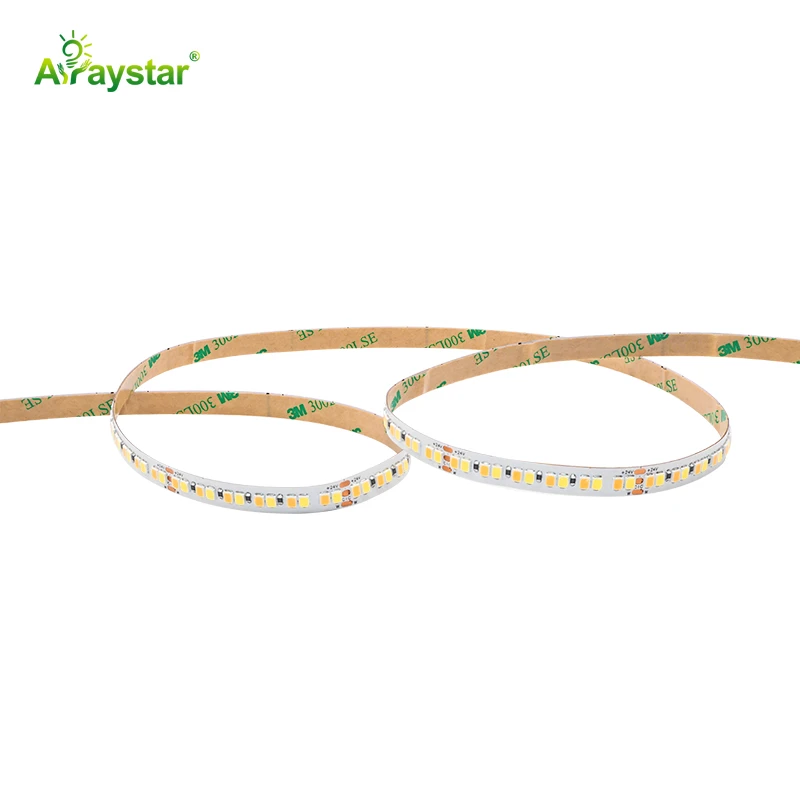
The danger spots are the cut ends, the solder joints after a join, and the connector tails. The middle of the strip has solder mask over the traces, but every cut pad you trimmed is bare copper, and the back of the strip at those points is just the FR4 substrate with copper pads proud. On a flat steel shelf, those pads sit directly on the metal.
The contact points I check first
- The 10 mm either side of every cut end, where pads are trimmed bare.
- The joiners between two strip sections, where solder is exposed on the back.
- The connector tails, where the strip has been lifted and re-pressed at an angle.
Insulating the strip without lifting it off
You do not have to pull the whole strip off the shelf. Peel it back at the suspected section, lay a 25 mm wide strip of Kapton or polyester insulating tape between the copper pads and the steel, and press the strip back down. Kapton survives the heat the strip throws; regular vinyl electrical tape hardens and falls off within a year. For a permanent install, I use a self-adhesive fibreglass tape that holds at 150 C.
Powder coat is insulation; bare metal is not. Treat each contact point.
| Surface | Risk level | What I put between strip and metal |
|---|---|---|
| Powder-coated steel | Low | Nothing, if pads stay off coating |
| Bare steel shelf | High | Kapton tape over every cut pad |
| Aluminium extrusion | Medium | Insulating liner under the whole run |
Choosing a strip that is safe on metal
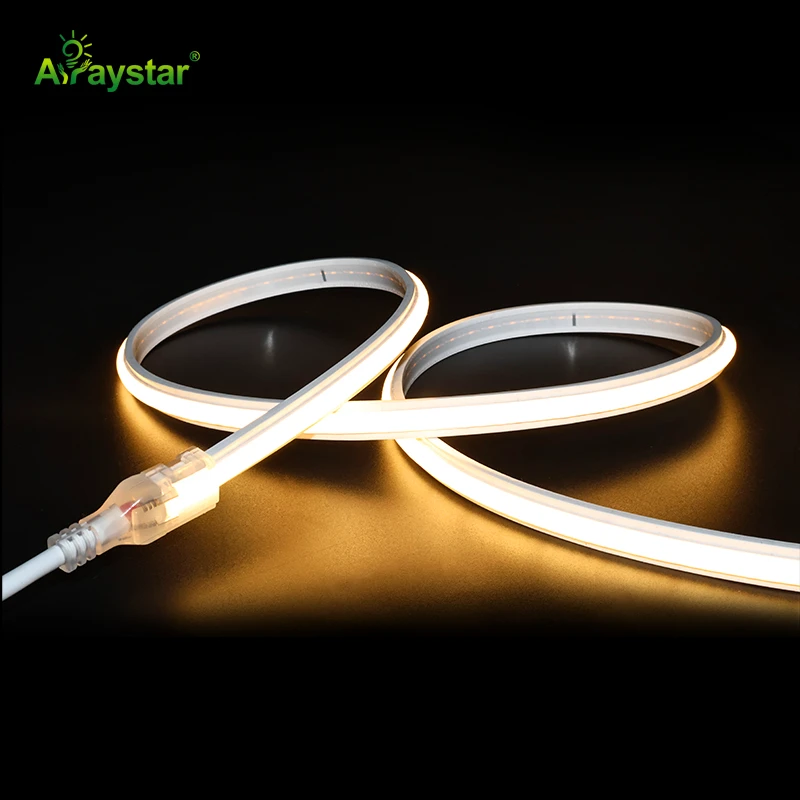
If the install is on metal from the start, I pick a strip with the back encapsulated in silicone or epoxy. The fully enclosed SCOB construction covers the pads and traces in a solid jacket, so even if the strip is laid pad-down on steel, there is no exposed copper to short. On a CCT-adjustable dual-white strip, the four pads are all covered, and the silicone jacket also helps heat sinking on the metal surface.
High-voltage runs need a different rule
If you are working with a 220 V AC strip, the short-circuit risk is not a fuse popping; it is a live fault on the metal shelf. On any mains-voltage strip, the whole run must be isolated from the metal by a channel or a taped liner, and the shelf itself must be earthed. I never stick a 220 V strip pad-down on bare steel, even with insulating tape, because the jacket can degrade in sun.
- Earth the metal shelf before any live strip goes near it.
- Use a plastic or insulated channel for mains-voltage runs.
- Inspect the jacket annually; sun degrades silicone and exposes pads.
Recommended Products
Frequently Asked Questions
Why does my LED strip keep shorting out on the metal shelf?
Because the bare solder pads on the back of the strip are touching the steel. Every cut end exposes copper, and on a flat shelf those pads sit directly on the metal, bridging 12 or 24 V to ground. The driver cuts out on short-circuit protect and resets when it cools. Insulate the pads.
What tape should I put between the LED strip and metal?
Kapton or polyester insulating tape, 25 mm wide, over every cut pad and join. Avoid vinyl electrical tape, which hardens and peels within a year. For a permanent install, use a self-adhesive fibreglass tape rated to 150 C. Lay it on the shelf, not on the strip, so you can lift the strip later.
Is powder-coated steel safe to stick LED strip on?
Yes, as long as the powder coat is intact. The coating is a good insulator. The risk is at cut ends and joins where the strip lifts and the bare pads touch the metal, or where the coating is chipped. Insulate those points even on powder-coated steel, just in case.
Can I just ground the shelf and not worry about shorts?
No. Earthing the shelf is required for safety on a metal mounting, but it does not stop the strip from shorting. On a 24 V DC run, a short to earth still blows your driver fuse. On a 220 V run, earthing means the RCD trips, which is better than a shock, but the strip still needs isolation. Insulate the pads regardless.
Does a fully encapsulated strip need extra insulation on metal?
Almost never. A silicone or epoxy encapsulated strip has no exposed pads on the back, so laying it on steel is electrically safe. The jacket handles the isolation. You still want the shelf earthed for safety on any mains-voltage run, but the strip itself will not short out.
Need help with your LED project?
Get factory-direct pricing, free samples and engineering support within 24 hours.
Email: info@arraystarled.com | Phone: +86-0755-2103-6746 | WhatsApp: 0086 1581 8514 077
Need to size your power supply? Use our LED Strip Power Calculator to find the right driver in seconds.