FOB LED Strip Technology: Flip Chip on Board - The Next Generation After COB
- 2026-09-18 11:24
- /
- Arraystar
What is FOB LED Technology?
FOB (Flip Chip on Board) represents the next evolutionary step in LED strip packaging after COB (Chip on Board). While traditional COB mounts LED chips face-up with gold wire bonding, FOB flips the chip upside down, connecting directly to the PCB through solder bumps. This eliminates wire bonding entirely, creating a more robust, thermally efficient, and higher-density lighting solution.
FOB vs COB: Key Technical Differences
1. Packaging Structure
COB technology mounts LED dies face-up on a substrate and connects them using gold wire bonds. FOB technology flips the die, placing the active layer facing downward toward the PCB. Electrical connections are made through solder bumps or copper pillars, eliminating the need for wire bonds.
2. Thermal Performance
FOB delivers superior thermal management because the chip's heat-generating active layer is in direct contact with the PCB through solder bumps. Thermal resistance can be 30-50% lower than comparable COB packages, allowing higher drive currents and longer lifespan at equivalent temperatures.
3. LED Density
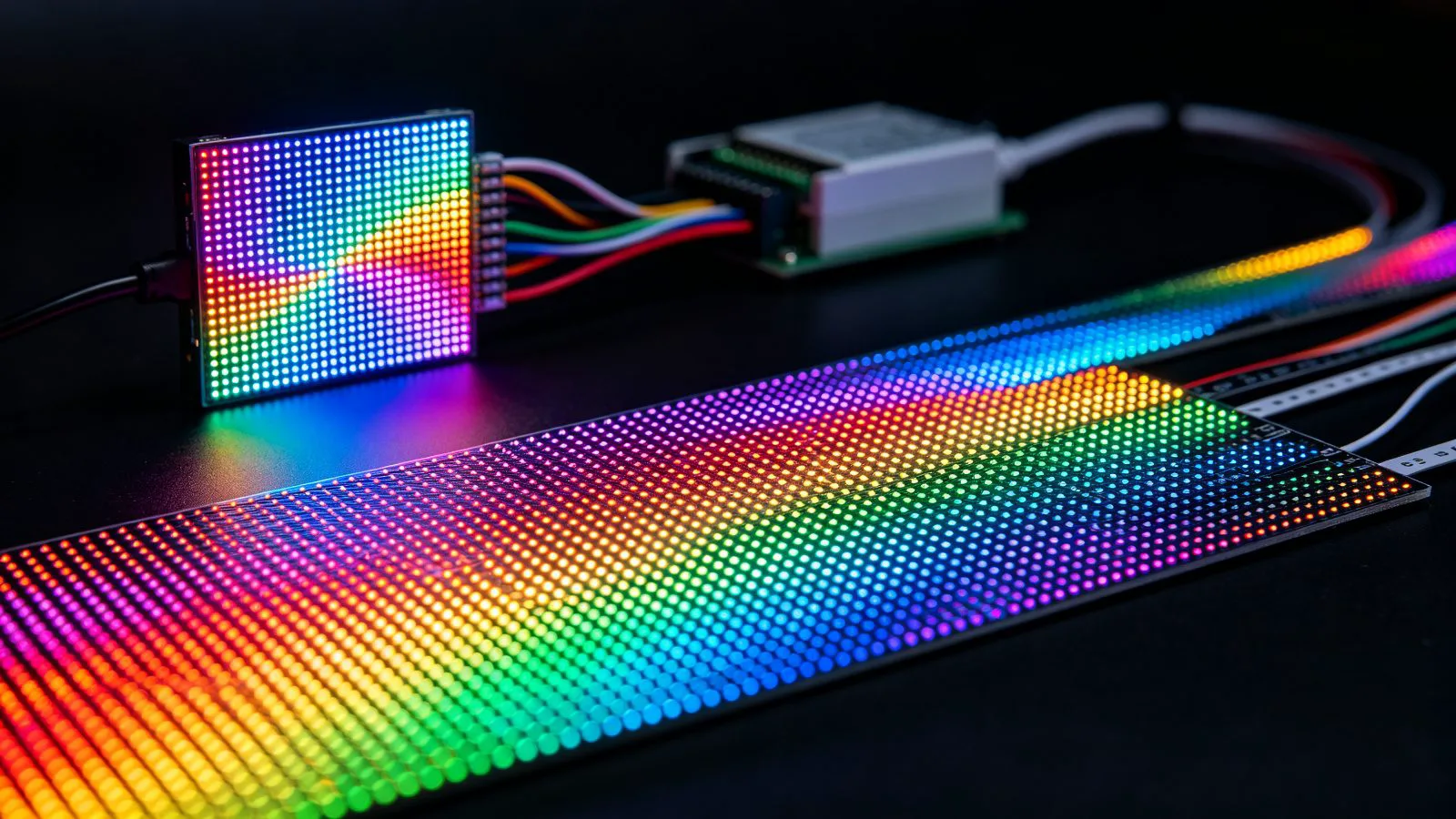
Without wire bonds occupying space, FOB enables much higher chip density. While premium COB strips achieve 512-1024 LEDs/m, FOB technology can reach 2048+ LEDs/m with excellent thermal performance, enabling truly dot-free illumination even at very close viewing distances.
4. Mechanical Reliability
Wire bonds in COB strips are vulnerable to vibration, thermal cycling, and mechanical stress. FOB's direct solder bump connection eliminates this failure mode, making FOB strips ideal for automotive, industrial, and high-vibration applications.
Advantages of FOB LED Strips
Superior Color Uniformity
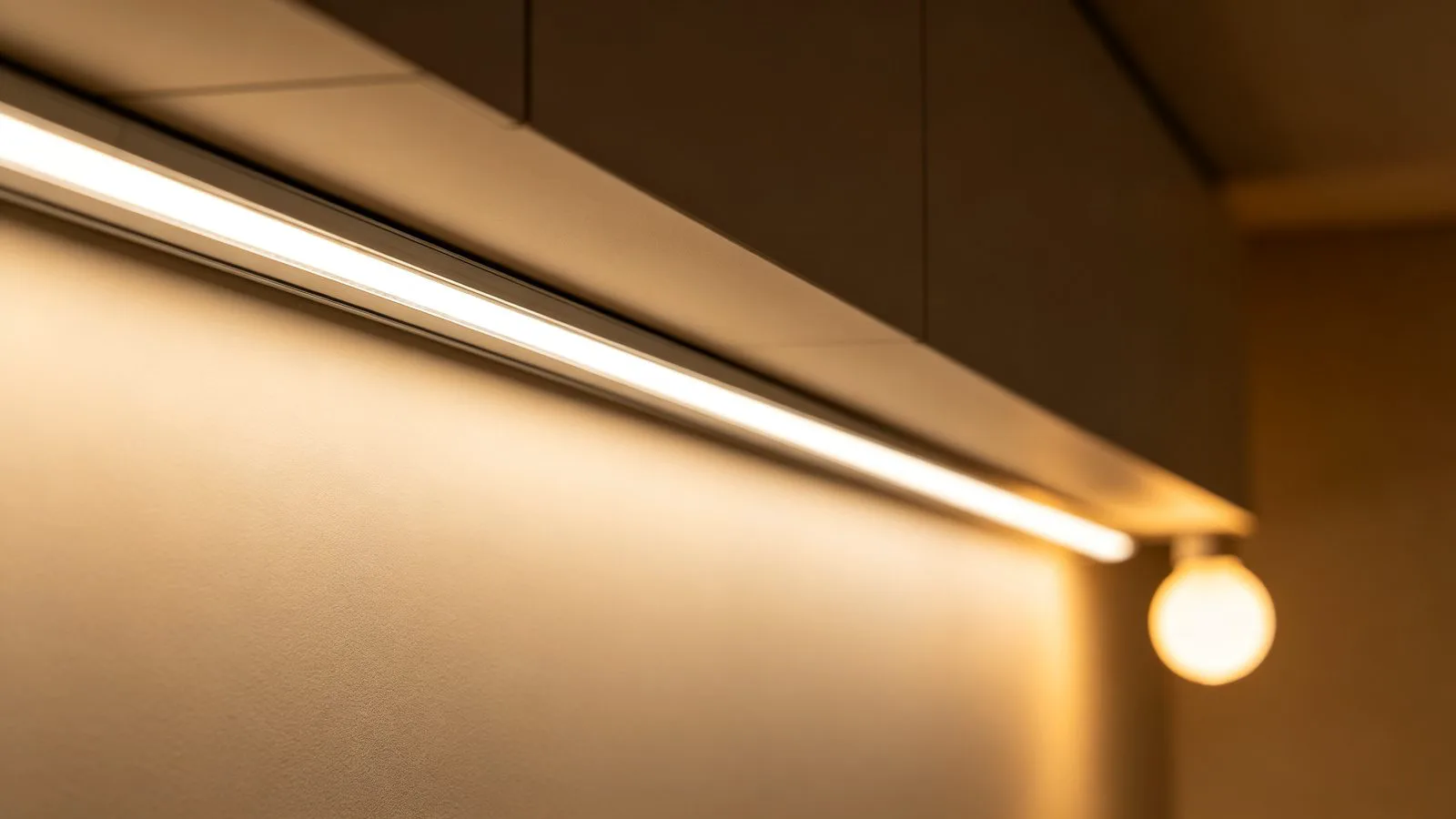
FOB's flip chip design enables more precise phosphor coating and better light mixing. The result is exceptional color consistency across the entire strip length, with MacAdam ellipse step control as tight as 3-step, ensuring no visible color variation between batches or along the strip.
Higher Lumen Density
The improved thermal performance of FOB allows higher drive currents per chip. Combined with higher chip density, FOB strips can deliver 2000-3000 lumens per meter while maintaining junction temperatures within safe limits.
Better Dimming Performance
FOB chips exhibit excellent low-current dimming characteristics. Unlike some COB solutions that may show color shift at low brightness, FOB maintains stable color temperature down to 0.1% dimming levels, making them ideal for high-end architectural and hospitality applications.
Longer Lifespan
With lower thermal resistance and no wire bond fatigue, FOB LED strips can achieve L70 lifespans of 75,000+ hours at rated current, compared to 50,000 hours for typical COB strips.
Applications Where FOB Excels
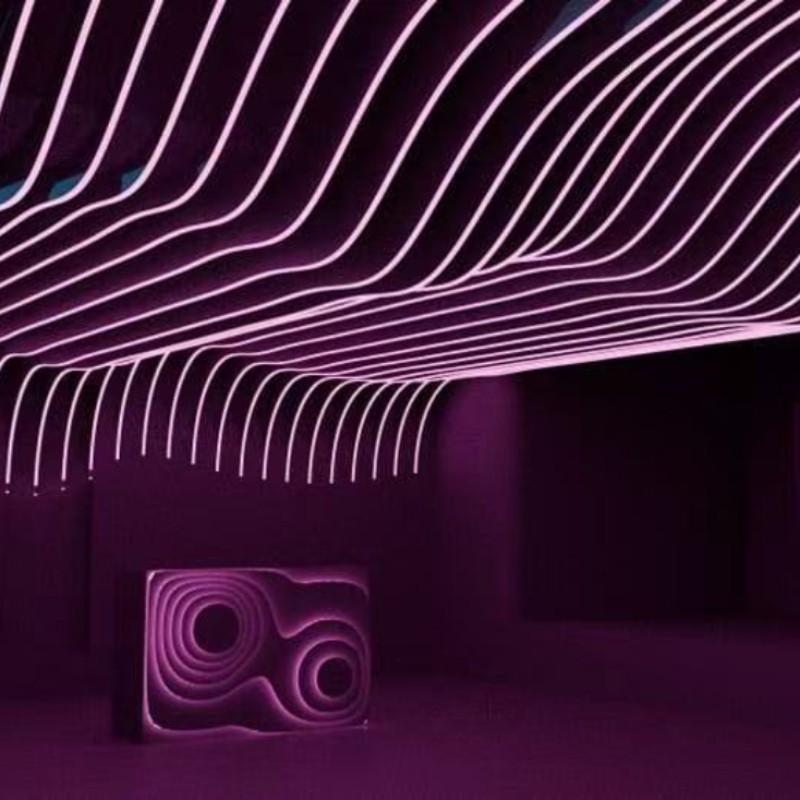
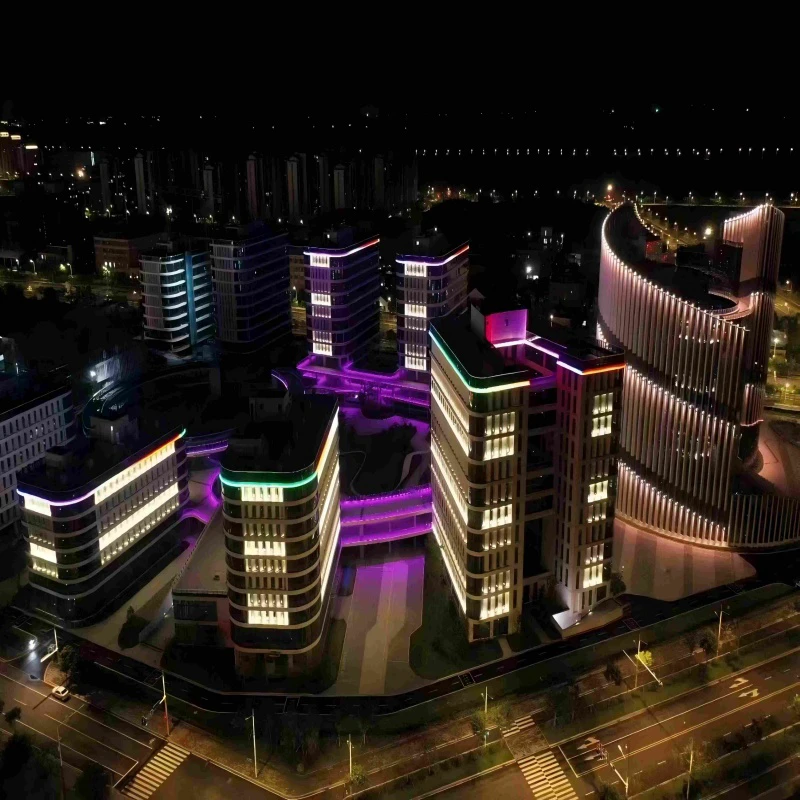
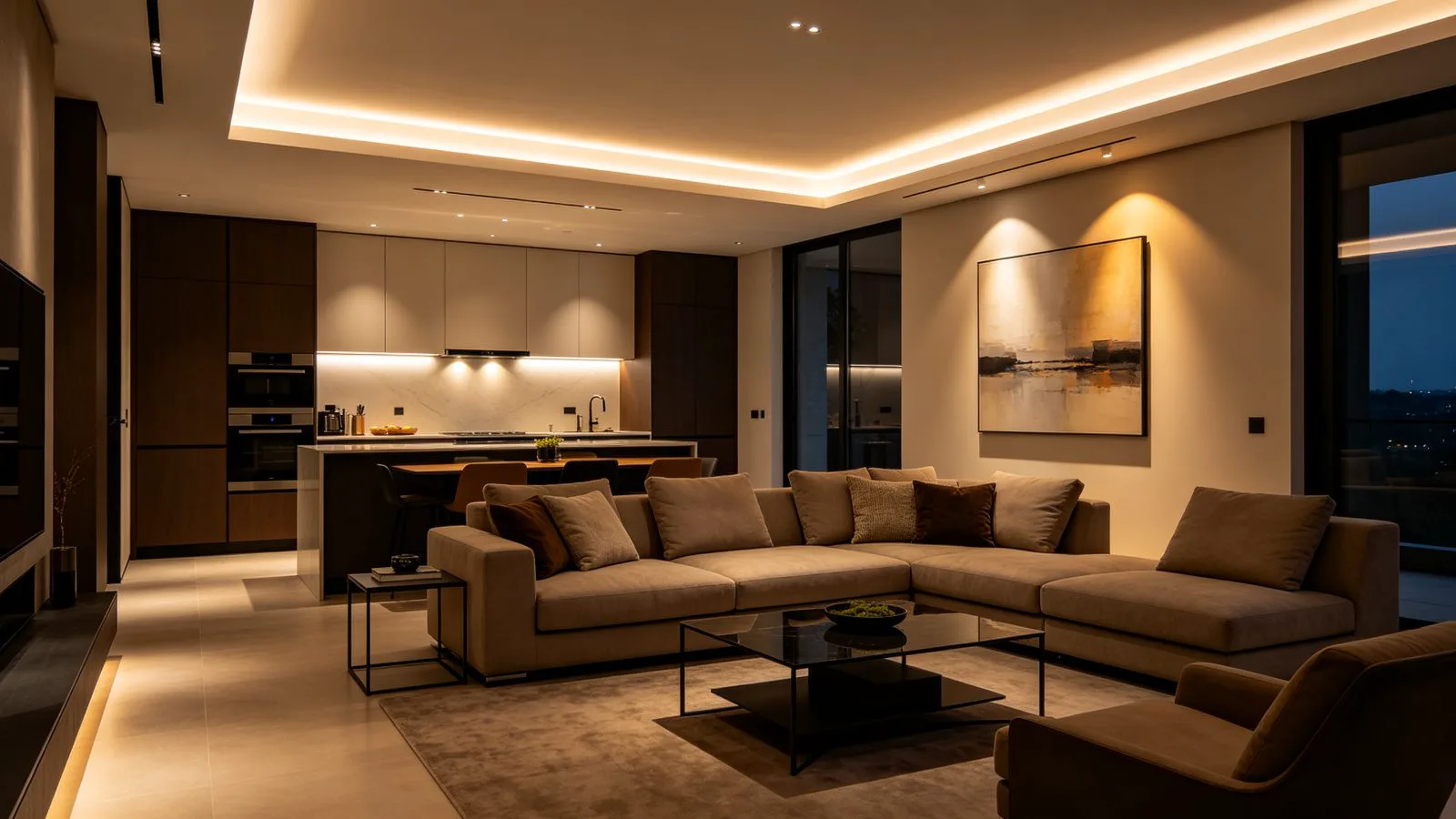
High-End Architectural Lighting: Where color consistency and seamless illumination are critical
Automotive Lighting: Vibration-resistant, high-reliability interior and exterior lighting
Display and Signage: Ultra-high density for close-viewing applications
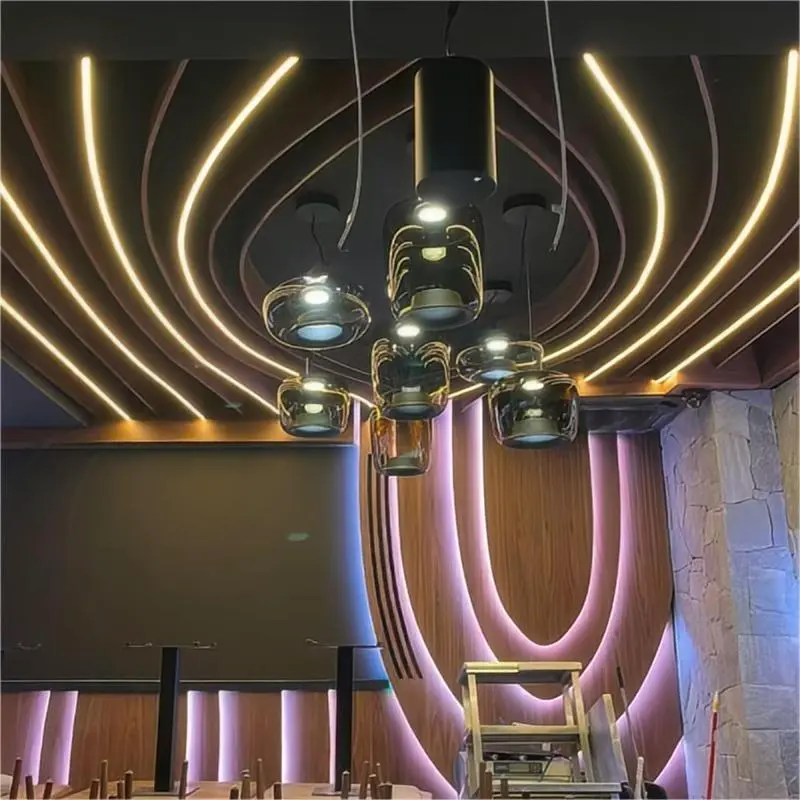
Hospitality and Retail: Premium color rendering and dimming performance
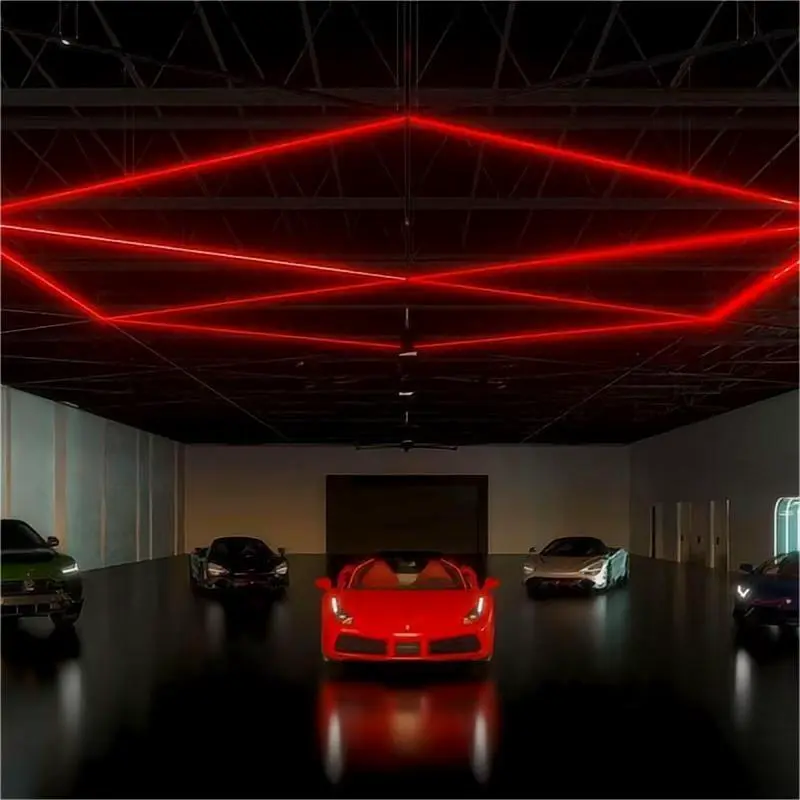
Industrial Lighting: High-vibration and high-temperature environments
TV and Studio Lighting: Flicker-free, high-CRI illumination for broadcast
FOB LED Strip Buying Guide
Key Specifications to Check
Chip Brand: Look for reputable chip manufacturers (Cree, Lumileds, Osram, Nichia)
CRI Rating: Minimum CRI 90 for quality applications, CRI 95+ for premium
LED Density: 1024+ LEDs/m for dot-free at close distances
Thermal Design: Check PCB copper weight (minimum 2oz) and heat dissipation
Dimming Compatibility: Ensure support for 0-10V, DALI, or DMX as needed
Warranty: 5-year warranty indicates manufacturer confidence
FOB vs COB: When to Choose Which?
Choose FOB when: You need the highest possible color uniformity, the application involves vibration, you require ultra-high LED density, long lifespan is critical, or budget allows for premium technology.
Choose COB when: You need a cost-effective solution for general lighting, standard density (384-512 LEDs/m) is sufficient, the application is low-vibration, or 50,000-hour lifespan meets requirements.
The Future of FOB Technology
FOB technology is rapidly evolving. Emerging developments include Mini-FOB for even smaller packages, Micro-FOB for display applications, integrated optics for beam control, and smart FOB with integrated driver ICs. As manufacturing costs decrease, FOB is expected to become the standard for high-end applications.
Conclusion
FOB (Flip Chip on Board) technology represents a significant advancement over traditional COB LED strips. With superior thermal performance, higher density, better color uniformity, and improved mechanical reliability, FOB is poised to become the preferred choice for premium lighting applications. At ArrayStar LED, we offer both COB and FOB solutions to meet your specific project requirements. Contact our engineering team to discuss which technology is right for your application.