Email:

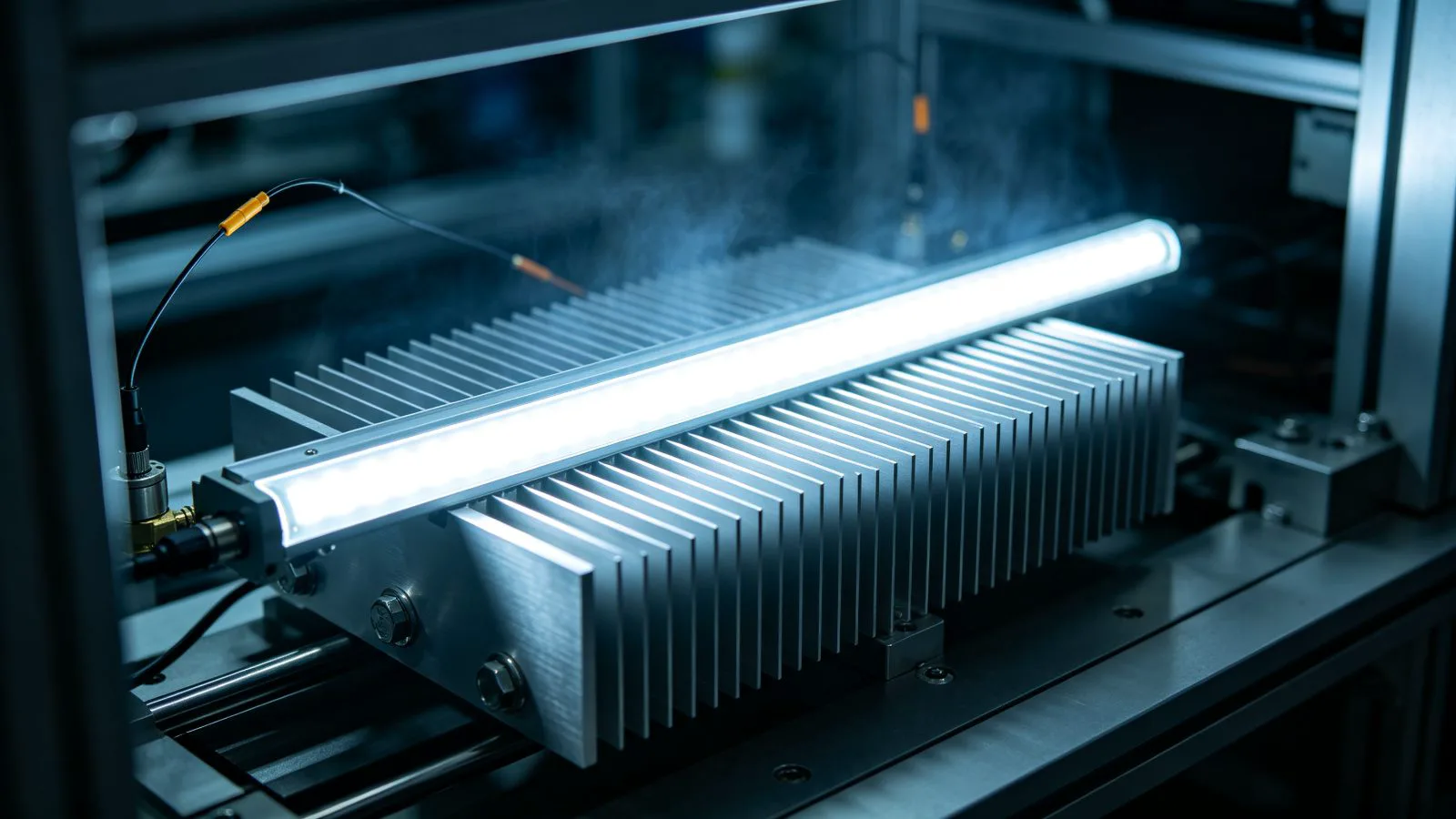
L70, B50, TM-21 and LM-80 decoded. Understand what 50,000-hour LED strip ratings really mean and how temperature changes the real number.
view more >>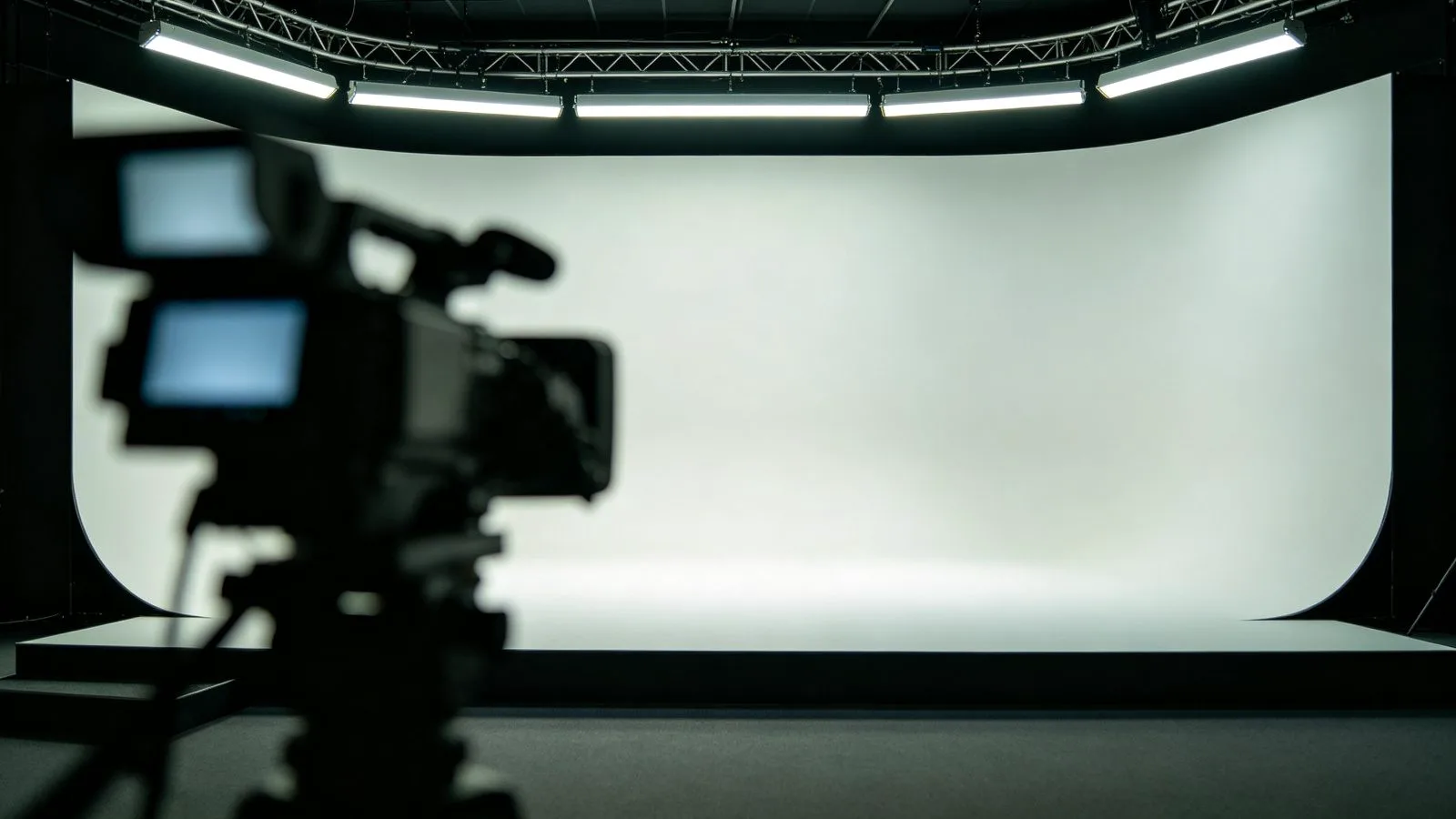
CRI is not enough on camera. Learn TLCI/ELI and TM-30 for LED strips in film, TV, virtual production and broadcast sets to avoid green/magenta skin.
view more >>
Why outdoor LED strip and neon installs fail after storms, and how to select and wire SPDs (kV ratings, DMX signal surge protection) for long life.
view more >>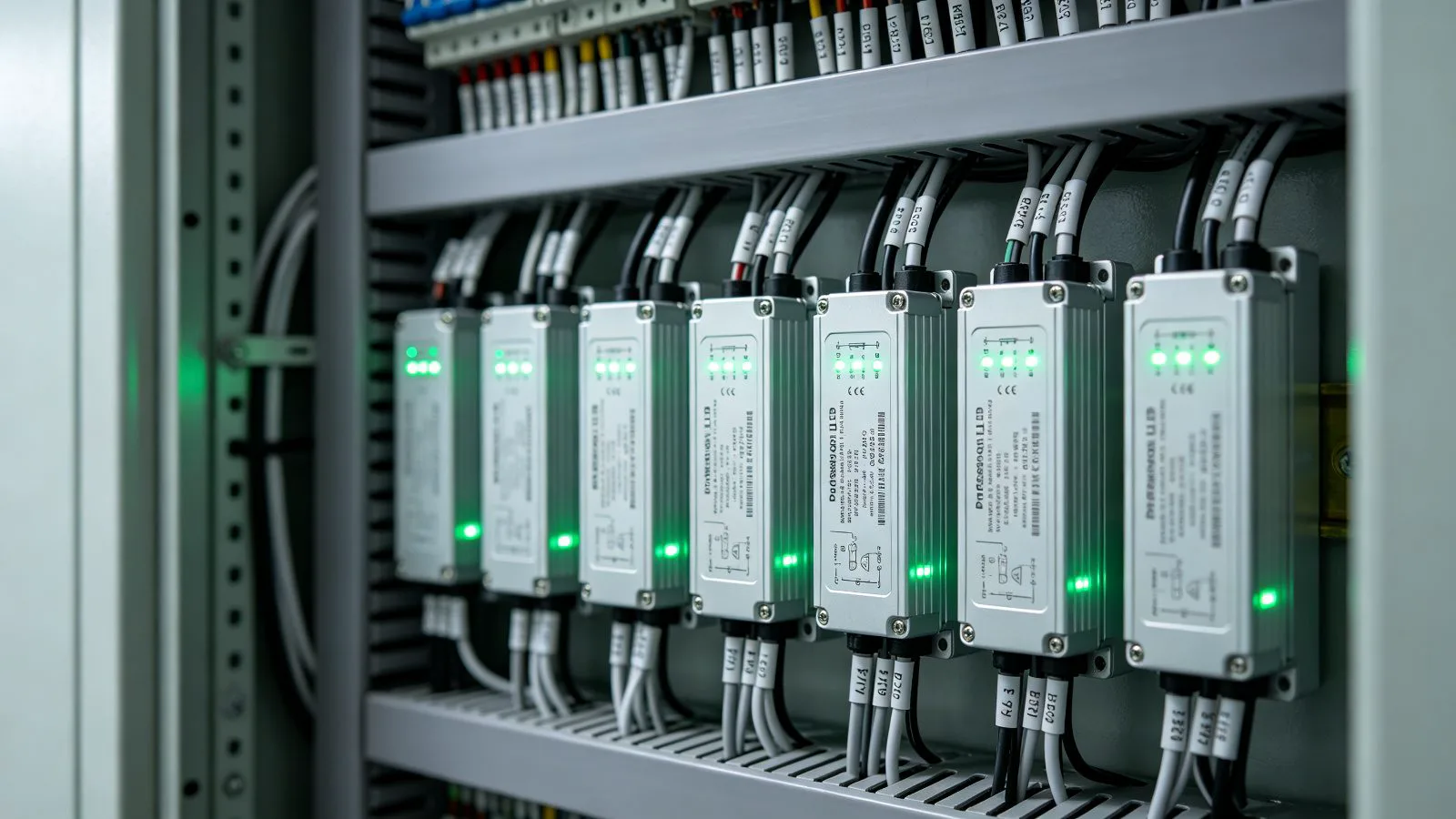
Power factor and THD explained for commercial LED strip projects. Learn why PF 0.9+ and low THD drivers matter for code approval and efficiency.
view more >>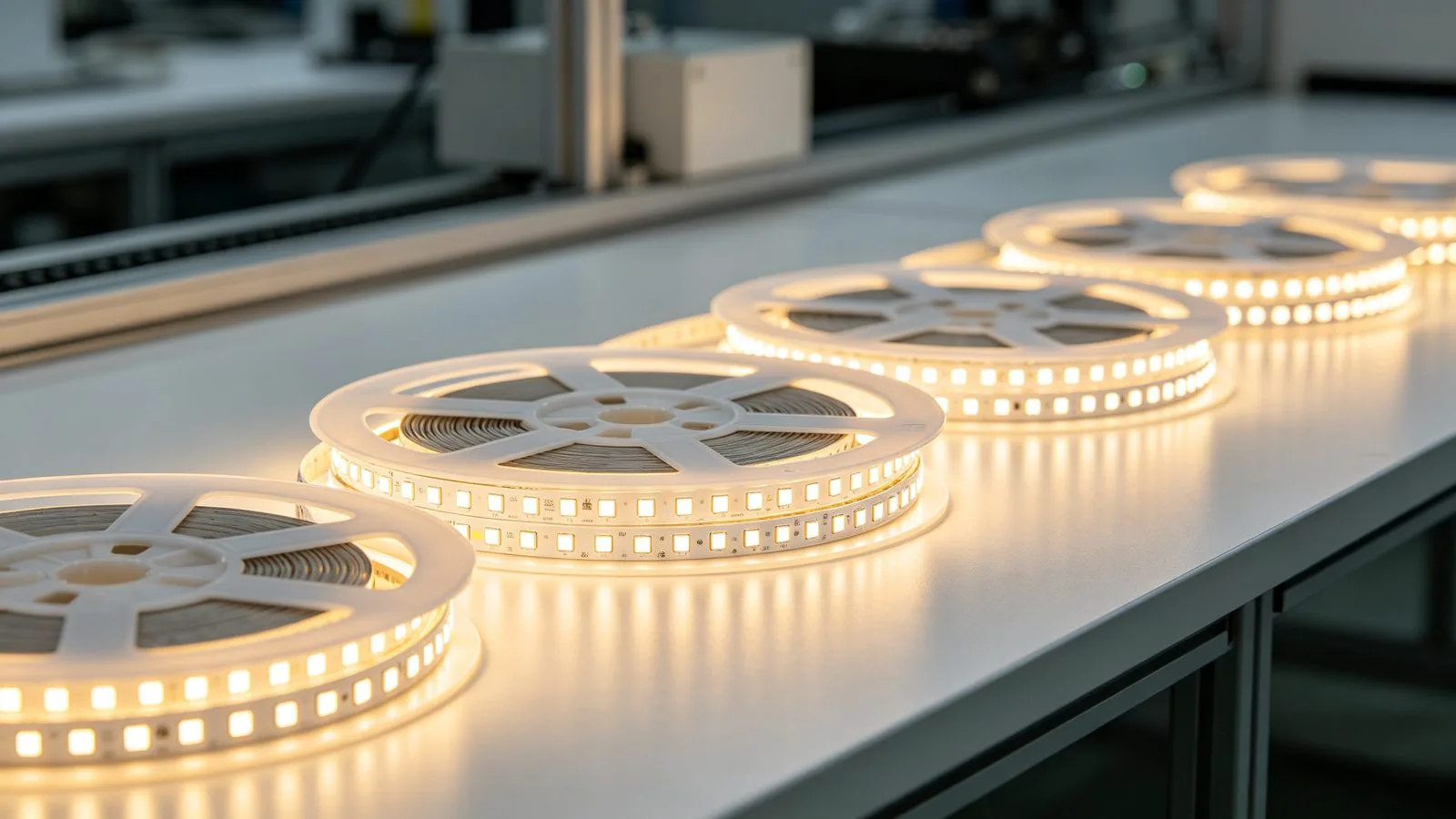
How LED color binning and ANSI C78.377 quadrants affect multi-reel projects. Learn how factories bin LEDs and how to order matched strips.
view more >>
UGR glare rating explained and how anti-glare diffused neon LED strips reduce discomfort glare for offices, galleries and corridors.
view more >>
TM-30 Rf/Rg vs traditional CRI Ra: what each measures, why TM-30 is more accurate, and which metric to specify for LED strip lighting.
view more >>
What SDCM and MacAdam ellipses mean for LED strip colour consistency: 3-step vs 5-step binning, specifying matched reels and avoiding shifts.
view more >>
LED strip luminous efficacy explained: lumens per watt, how COB vs SMD and density affect lm/W, and how to compare efficiency accurately.
view more >>
LED strip flicker explained: flicker percentage, flicker index and PstLM, why cheap drivers flicker, and how to choose flicker-free strips.
view more >>
CRI R9 explained: what negative R9 means for reds, skin and food, how to read R9/Ra specs, and which high-CRI LED strips to specify.
view more >>
How to keep LED strip color consistent across reels: same color bin, batch matching, CCT tolerance and ordering tips to avoid mismatched runs.
view more >>